


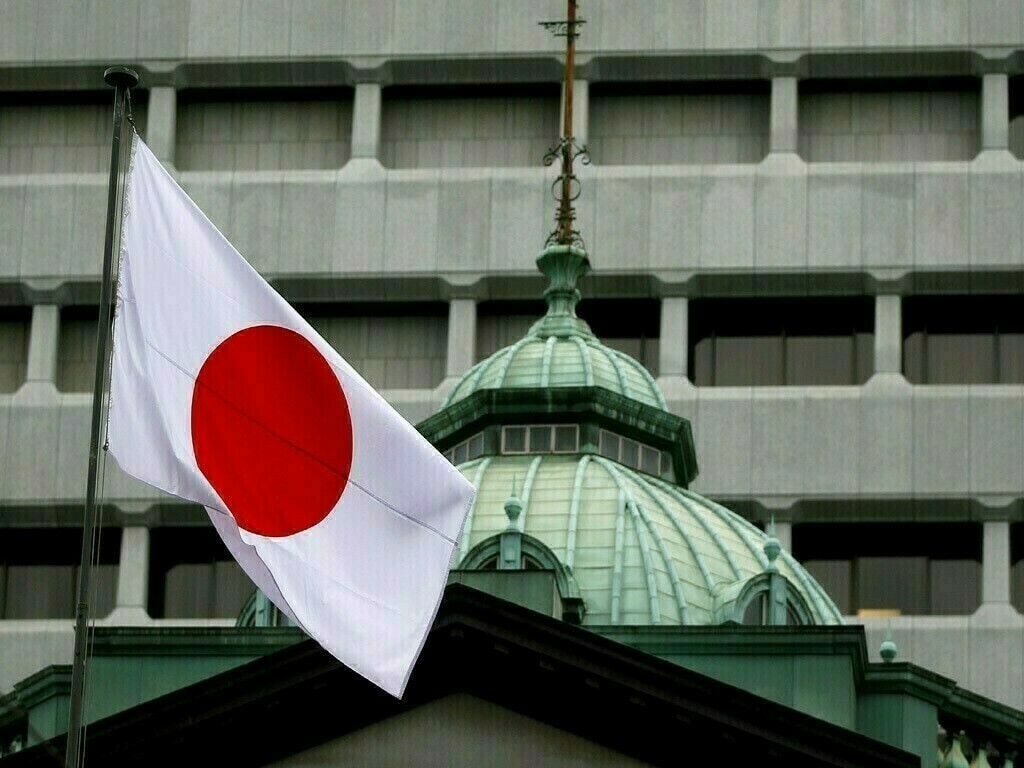
TOKYO: The Bank of Japan is set to hold off raising interest rates on Thursday but may offer a less gloomy view on the outlook after Tokyo’s trade agreement with the U.S. last week, signalling rate hikes may resume later this year.
Receding global trade tensions following Sunday’s agreement between the U.S. and the European Union add relief for BOJ policymakers on the outlook of Japan’s export-heavy economy.
But the BOJ is likely to warn of lingering uncertainty on how U.S. tariffs affect business activity with the hit to exports seen intensifying later this year, analysts say.
“It’s very big progress that reduces uncertainty for Japan’s economy - but obviously, some uncertainty remains,” BOJ Deputy Governor Shinichi Uchida said last week on the Japan-U.S. trade deal.
Uchida noted questions around how soon Washington strikes trade deals with other countries, how the tariffs affect domestic and global economies and how long it could take for the tariffs’ effects to be seen in hard data.
At the two-day meeting ending on Thursday, the BOJ is widely expected to keep short-term interest rates steady at 0.5%.
Markets are focusing on the bank’s quarterly outlook report and Governor Kazuo Ueda’s post-meeting news conference for clues on the timing of the next rate hike.
A Reuters poll, taken before last week’s Japan-U.S. trade deal announcement, showed a majority of economists expect the BOJ to raise rates again by year-end.
In the quarterly report, the BOJ is likely to revise up this fiscal year’s inflation forecast due to persistent rises in rice and other food costs, sources have told Reuters.
The BOJ may also tweak its current view that risks to the price outlook were skewed to the downside, and offer a less gloomy view on the economy compared with the current one focused on tariff-induced risks, according to separate sources.
The board is likely to maintain its view that inflation will durably hit its 2% target in the latter half of its three-year projection period running through fiscal 2027, they said.
In current projections made on May 1, the BOJ projects core consumer inflation to hit 2.2% in fiscal 2025, before slowing to 1.7% in 2026 and 1.9% in 2027.
Japan struck a trade deal with President Donald Trump last week that lowers U.S. tariffs for imports of goods including its mainstay automobiles, easing the pain for the export-reliant economy and clearing a key hurdle for further BOJ rate hikes.
The positive development contrasts with the gloom that surrounded the economy on May 1, when the BOJ produced its current estimates amid heightened market volatility caused by Trump’s April announcement of sweeping “reciprocal” tariffs.
The BOJ exited a decade-long, massive stimulus last year and raised its short-term policy rate to 0.5% in January on the view Japan was progressing towards durably achieving its price goal.
With rising food costs hurting households and keeping inflation above its 2% target for three years, some hawkish board members have highlighted mounting price pressures that could justify resuming rate hikes.
















Comments
Comments are closed for this article.