


Balancing the books and the battlefield: Pakistan’s fiscal strategy for FY2025-26 – II
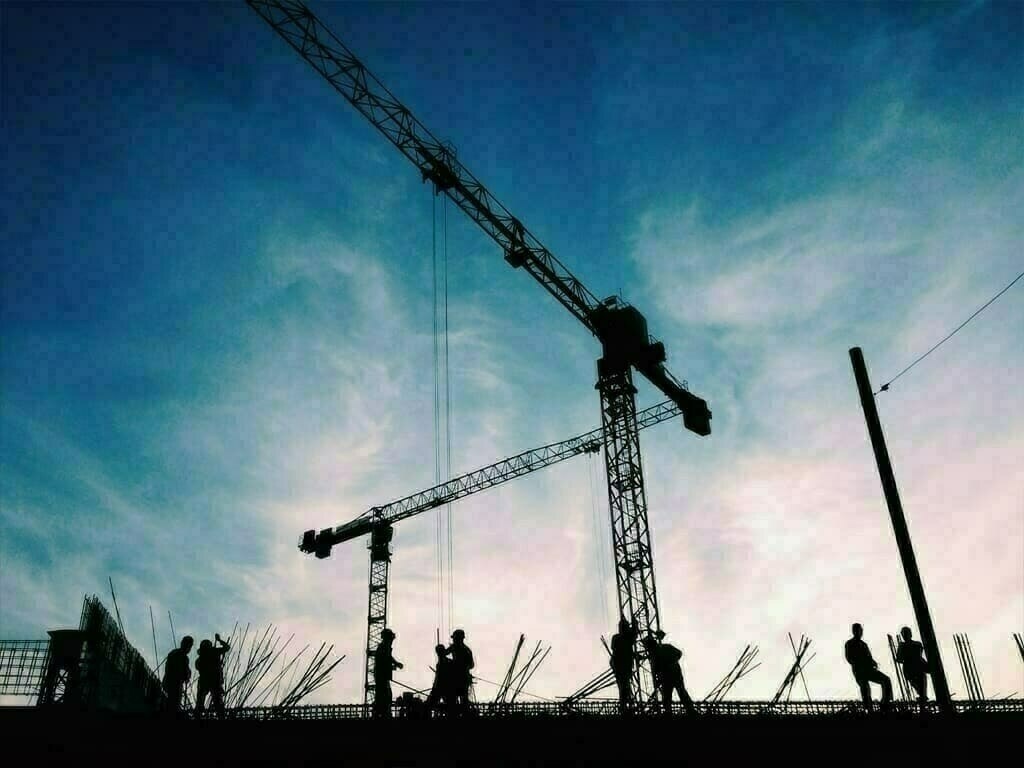
While public spending contracts, the Public Sector Development Programme (PSDP) remains protected approaching Rs 1.15 trillion through targeted public-private partnerships. Of this, Rs 253 billion is allocated to energy infrastructure, Rs 79 billion to transport and highways, and Rs 206 billion to vital water conservation and irrigation initiatives.
Mega-hydropower projects like Dasu, Mohmand, Tarbela-V, and Suki Kinari are prioritized, alongside upgrades to the national transmission grid. These investments aim to reduce circular debt, enhance industrial productivity, and fortify Pakistan’s resilience against climate-related shocks, an increasingly pressing national concern.
A 5 billion rupees “Kisan Package,” along with duty waivers on seeds and tax concessions for farm equipment, is expected to stimulate a 4.5 percent growth in agriculture. The support comes at a critical time as Pakistan faces recurring challenges of food inflation and climate-induced crop disruptions.
Education receives over Rs 100 billion, with focused investments in federal universities, vocational training, and digital literacy. Meanwhile, healthcare spending approaches Rs 80 billion, earmarked for maternal and child health, expanded immunization programs, and construction of new hospitals in Islamabad and underserved region.
Balancing the books and the battlefield: Pakistan’s fiscal strategy for FY2025–26—I
Civil servants are granted a 7.5–10 percent salary increase, while pension reforms shift towards a contributory model—an essential measure to contain the growing fiscal burden exceeding Rs 1 trillion annually.
The salaried class—long burdened by inflation and stagnant wage growth—receives modest but meaningful relief in this year’s budget. The government has revised tax slabs for salaried individuals, marginally increasing the income threshold for taxation to reflect inflationary pressures. While the relief may not be transformational, it offers breathing space to middle-income earners who have borne the brunt of indirect taxes and fuel hikes in recent years. Moreover, the budget refrains from imposing any new taxes on salaried income brackets, providing a measure of stability amidst broader tax reforms aimed at widening the net and reducing leakages in the informal sector.
Muhammad Sheroz Khan Lodhi,
Karachi
Copyright Business Recorder, 2025


























Comments
Comments are closed for this article.