


Are Sindh’s ‘forgotten vegetables’ poised for remarkable comeback?
- Vegetables like amaranthus and horseradish tree flowers are rich in nutrients yet thrive in poor soils, require little water and minimal care
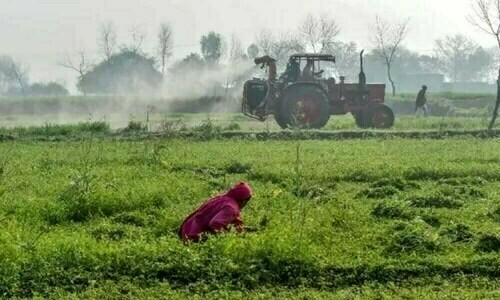

Reviving Sindh’s non-traditional vegetables (NTVs) — mustard greens, amaranthus, lamb’s quarters, horseradish tree flowers, cluster beans, wild cucumbers and mushrooms among others — isn’t just a nostalgic return to the past. Experts say it’s a smart investment in the province’s future as they offer affordable, nutritious alternatives at a time of rising food insecurity following climate change.
“A recent study conducted in the Badin and Thatta districts has reignited interest in these indigenous food plants — highlighting their role as nutritious, resilient, and climate-smart alternatives to commercial vegetables,” food technologist and expert Dr Aasia Akbar Panhwar told Business Recorder.
She said the survey identified several locally available vegetables still grown or harvested in rural Sindh. But many of these vegetables have been left behind in the shift to industrialized agriculture. These vegetables are rich in essential nutrients including vitamins, fiber, and medicinal compounds yet they thrive in poor soils, require little water, and demand minimal care.
In a region where smallholder farmers struggle with rising input costs and erratic weather patterns, such crops can offer a lifeline.
Dr Panhwar expressed astonishment that NTVs are loved by locals, but ignored by markets. She said research revealed that 83% of surveyed households regularly consumed mustard greens, with high satisfaction for their taste, texture, and appearance. Mushrooms were also widely appreciated, scoring highest in aroma and overall acceptability.
Dishes prepared using traditional cooking methods such as boiling, frying, and curry-making received high marks in sensory evaluations.
NTVs remain absent from formal markets, policies and urban diets
Despite their popularity at the village level, non-traditional vegetables remain largely absent from formal markets, agriculture policies, and urban diets. This stems from a lack of awareness, commercial promotion, and institutional support.
Food technologists, researchers and progressive growers Business Recorder spoke to called for harnessing the potential of non-traditional vegetables via policy and community action aimed at promoting their nutritional benefits and culinary appeal.
They have also said it is crucial to impart training to farmers and women entrepreneurs on cultivation and post-harvest handling as well as bringing these greens into schools, canteens, and urban households.
These “wild greens” or “forgotten vegetables,” once staples in rural kitchens are now poised for a remarkable comeback.
In today’s fragile food systems, these vegetables are more than just heritage; they’re practical survival tools. They grow where commercial crops fail, provide essential nutrition where resources are scarce, and offer economic potential for women and small farmers engaged in local harvesting and preparation.
Yet their use remains limited, especially in urban centers where diets are increasingly dependent on a narrow set of commercial crops. This nutritional gap comes at a cost—not only to health, but also to biodiversity and local resilience.
The economic incenctive
Progressive farmer Syed Zarar Shah said, “such vegetables are not expensive and they can help cook tasty and nutritious meals for health conscious people in ubran cities.”
“Rural and poor families enjoy such vegetables as they grow them for selling them. These vegetables are sold at economical prices at stalls but if they are placed in supermarkets in Karachi, Lahore and other major cities, they are expensive.”
He suggested people in cities too should grow such vegetables in gardens. He estimated that Rs2 million to Rs3 million can be earned by cultivating them on one acre of land on the outskirts of Karachi or other major cities and selling them to supermarkets.
He said, “organic food enthusiasts or even small growers can make some investments in these neglected greens and get a better return.”
The fields of Sindh are full of stories of survival, strength, and sustenance. These forgotten greens are not weeds; they are wisdom. In this age of uncertainty, perhaps the future of food is already here. People just need to recognize it.




















Comments
Comments are closed for this article.