


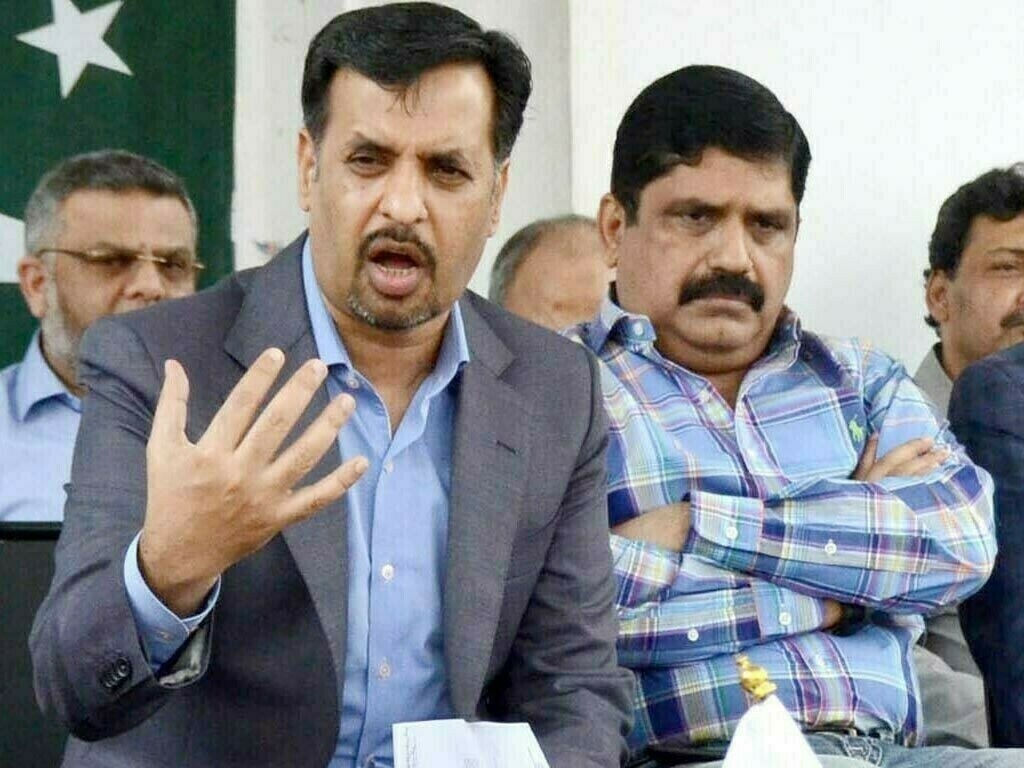

ISLAMABAD: Federal Minister for National Health Services and Regulations Mustafa Kamal has warned that hospital waste is extremely hazardous for human health and, if not properly managed, it becomes a serious challenge for the people.
Addressing a ceremony organised by the Indus Hospital and Health Network here on Wednesday to officially launch the provision of Yellow Vehicles for Infectious Medical Waste (IMW) in 15 districts of the country, the minister said protecting people from disease was government’s topmost priority.
Highlighting environmental and public health challenges, the minister pointed out that 68 percent of diseases in the country are caused by the consumption of contaminated water. He stressed that access to clean drinking water, population control, and safe disposal of toxic hospital waste are critical components of any disease prevention strategy.
He emphasised that the safe disposal of hospital waste is a crucial and effective step in protecting the public from diseases.
The minister said, “Prevention is better than cure, if we don’t take precautionary measures, diseases will overtake us.”
He highlighted that, with the support of the Global Fund, Indus Hospital has provided specialized medical waste disposal vans in 15 districts across Pakistan, including Islamabad, where one van will be handed over to the District Health Officer (DHO) Islamabad.
He noted that, according to health experts, preventive healthcare is far more effective than curative approaches. “The first step in healthcare is to ensure people do not fall sick in the first place. Unfortunately, preventive measures have not been prioritised historically.”
“In addition to building hospitals and ensuring the availability of medicines, we must focus significantly on disease prevention. Rapid population growth is complicating healthcare delivery and increasing the patient load in hospitals,” the minister added.
Also addressing the gathering, Dr Abdul Bari Khan, president of Indus Hospital, said that progress in the health sector is not solely dependent on constructing new hospitals or supplying modern equipment. Rather, it hinges on developing systems that protect communities from falling ill in the first place.
“These vehicles reflect our commitment to infection control, environmental safety, and sustainable healthcare,” Dr Bari stated. “We are grateful for the support of the federal government and hopeful that this model will be replicated across the country.”
Copyright Business Recorder, 2025




















Comments
Comments are closed for this article.