


EDITORIAL: In a country where two-thirds of the population — well over 150 million people — lives in its rural areas, it is a travesty that these regions are still blighted by abysmal living standards, limited employment opportunities, crumbling infrastructure and a criminal lack of basic services.
The state of these underserved regions, in fact, tells a story of long-standing neglect that has left millions trapped in cycles of poverty and exclusion across generations. While official discourse abounds with promises of rural renewal, concrete action on the ground remains scarce.
Given this predicament, one can only hope that Prime Minister Shehbaz Sharif’s latest pledge to undertake far-reaching measures “to uplift our rural citizenry” on World Day for Rural Development on July 6 is backed by genuine political will, meaningful investments and results that truly improve lives in the countryside.
Not only do Pakistan’s rural areas host the majority of its population, they also form the backbone of the national economy. These regions power the agriculture sector — critical for economic stability and employment generation — directly and indirectly employing nearly 70 percent of the population, with around 37.4 percent of the workforce directly engaged in the sector.
Beyond contributing substantially to national food security, agriculture fuels key industries, most notably textiles, which still is Pakistan’s largest industrial employer and exporter. With around 70 percent of exports and 24 percent of GDP tied to agricultural production, its centrality is undeniable.
Continued rural neglect, therefore, is not merely a social or developmental issue; it has had far-reaching and damaging consequences for the broader economy. This sustained disregard has led to declining agricultural productivity, rising rural poverty and unemployment, with the lack of alternative livelihoods beyond farming further compounding rural stagnation.
Most crucially, this economic marginalisation has also had a highly corrosive impact on our urban centres. Years of dwindling prospects and chronic underinvestment in rural regions have triggered a steady wave of rural-to-urban migration, as millions seek opportunities no longer available at home.
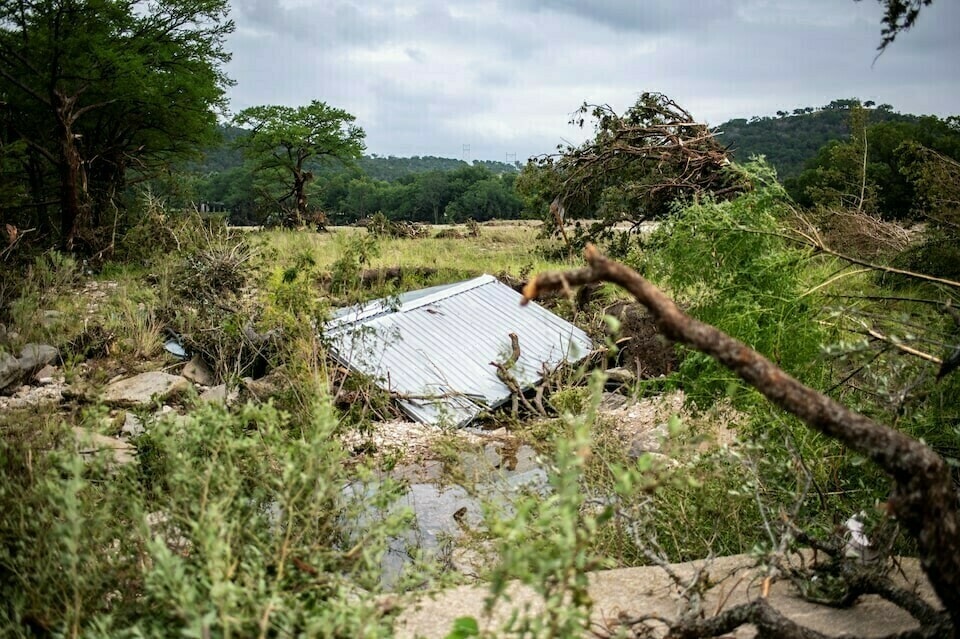
Climate-induced displacement is also accelerating this shift, particularly from flood-affected villages, adding another layer to the influx into cities.
A case in point is the mass migration to urban centres following the devastating 2022 floods, and before that, after the catastrophic flooding of 2010, both of which displaced millions and forced many into long-term relocation. This population shift is fundamentally reshaping Pakistan’s demographic profile with urban population growth rate now outpacing rural areas — 3.67 percent compared to 1.88 percent, respectively.
The rapid concentration of a predominantly young population in increasingly congested cities due to rural-urban migration has inevitably led to the proliferation of slums, which have mushroomed across urban Pakistan and have become a defining feature of the cityscape. These informal settlements often lack access to clean water, sanitation, electricity, healthcare and education, leaving millions to survive in deeply undignified and hazardous conditions.
We can see before our eyes the rapid disintegration of the social and physical fabric of urban life, fuelling poverty, public health crises, environmental degradation, crime and rising inequality, which in turn is posing a serious threat to national cohesion.
To stem the tide of urban collapse, urgent steps must be taken to revitalise rural Pakistan. Targeted interventions aimed at enhancing agricultural productivity — especially of the vital cotton crop — strengthening infrastructure, expanding essential public services including healthcare and education, and developing non-agricultural employment avenues that provide sustainable livelihoods are essential.
Equally critical are climate resilience initiatives, such as early warning systems, efficient water and irrigation management, disaster-resilient infrastructure and sustainable land use practices.
It must be recognised that no one willingly abandons their homes and hearths unless compelled by extreme hardships. Rural areas must, therefore, become places where people can truly thrive, and not just struggle to survive.
Copyright Business Recorder, 2025




















Comments
Comments are closed for this article.