


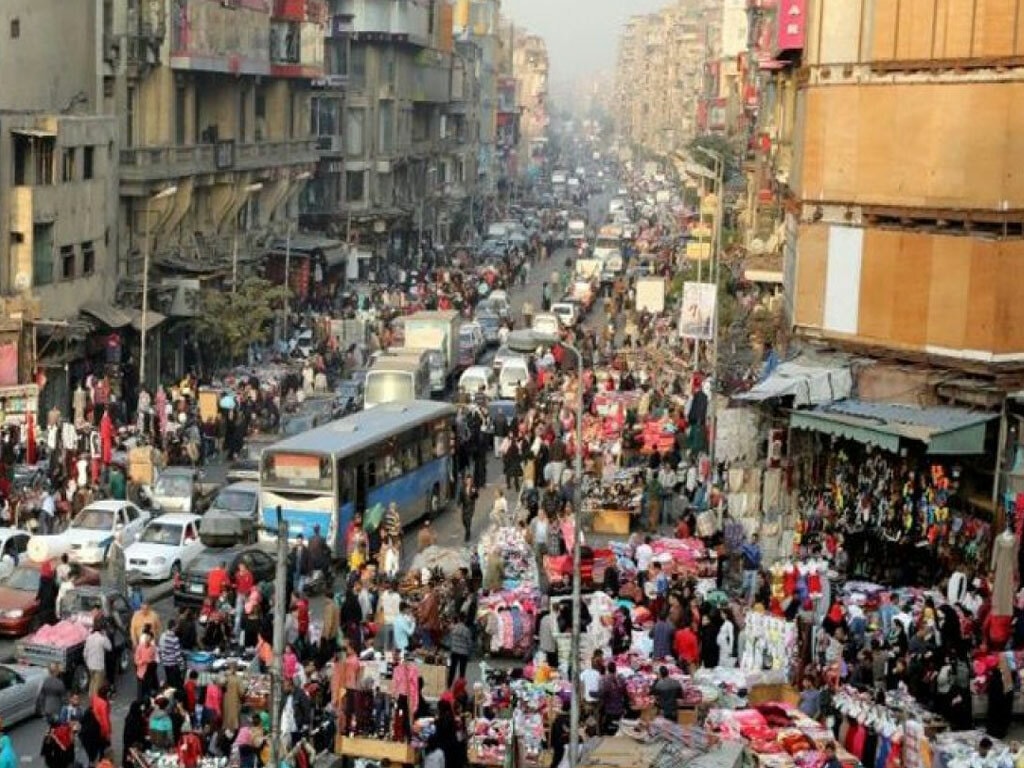
EDITORIAL: Planning Minister Ahsan Iqbal, in a sobering observation on July 2, highlighted the alarming pace of Pakistan’s population growth rate, which stands at a disconcerting 2.55 percent, and if left unchecked, could push the country’s numbers to a staggering 386 million by 2050. Speaking at a high-level meeting on population management, he rightly warned that such exponential growth would intensify pressure on already strained healthcare systems, educational opportunities and employment, derailing the country’s path towards sustainable development and economic growth.
A deeper study of Pakistan’s demographic profile reveals that a confounding 80 percent of the population is under the age of 40, and 66 percent under 30. These figures represent two starkly different long-term possibilities for the country: the youth bulge could either turn out to be a dynamic engine of growth, innovation and national renewal, or if not harnessed wisely, a destabilising force marked by frustration, discontent and deepening socio-economic divides. As things stand, the latter scenario is more likely to play out considering the fact that a shocking 40 percent of the population has never attended school, and a quarter of women stand excluded from the workforce. The much-talked about demographic dividend is nowhere close to materialising, as population growth regularly outpaces the economy’s ability to generate productive opportunities. When each new entrant to the population contributes less to economic output than they consume, the demographic advantage becomes a liability. Moreover, stagnant labour productivity has also undermined the assumption that a large labour force would automatically drive economic growth, clearly demonstrating the impact that a sizable skills deficit has had on the working-age population.
Then there is the problem of unplanned population growth turning economic planning into an increasingly convoluted and reactive exercise. Planning for sectors such as education, healthcare, urban development, job creation, climate resilience, infrastructure development and agriculture can become daunting when the population baseline itself keeps shifting unpredictably. In such a scenario, aligning national development and economic goals with the expanding needs of a rapidly growing population becomes not only difficult but perpetually out of step with reality as planning efforts lag behind the scale and speed of emerging demands.
It goes without saying then that a problem of this magnitude requires a unified, national-level response, the urgency of which the planning minister was at pains to emphasise at the meeting. He proposed the establishment of a National Population Council headed by the prime minister and with representation from all provinces, rightly stressing that “without national coordination and strategic alignment, fragmented efforts will continue to under-deliver”. Why there hasn’t been much urgency demonstrated by successive federal governments regarding population control before now is indeed confounding. While population remains a provincial subject under the 18th Amendment, nothing prevented the Centre from taking the lead in driving a coordinated national agenda around family planning and population management.
For instance, the government could have leveraged existing platforms like the Benazir Income Support Programme by linking some cash transfers to voluntary participation in family planning awareness sessions. The NFC Award formula — heavily weighted in favour of population size — could have been reconfigured, discouraging the perverse incentive for unchecked population growth, a reform only now being tentatively considered. Aggressive nationwide communication campaigns promoting the benefits of smaller families could have been launched years ago, aligning messaging across provinces. And all this, and more, could have been pursued in close partnership with provincial governments, without infringing on devolved mandates. It must now be realised that the time for fragmented efforts has passed. A bold, sustained, unified national response rooted in political will and genuine Centre-province collaboration is now essential to take on this crisis.
Copyright Business Recorder, 2025




















Comments
Comments are closed for this article.