


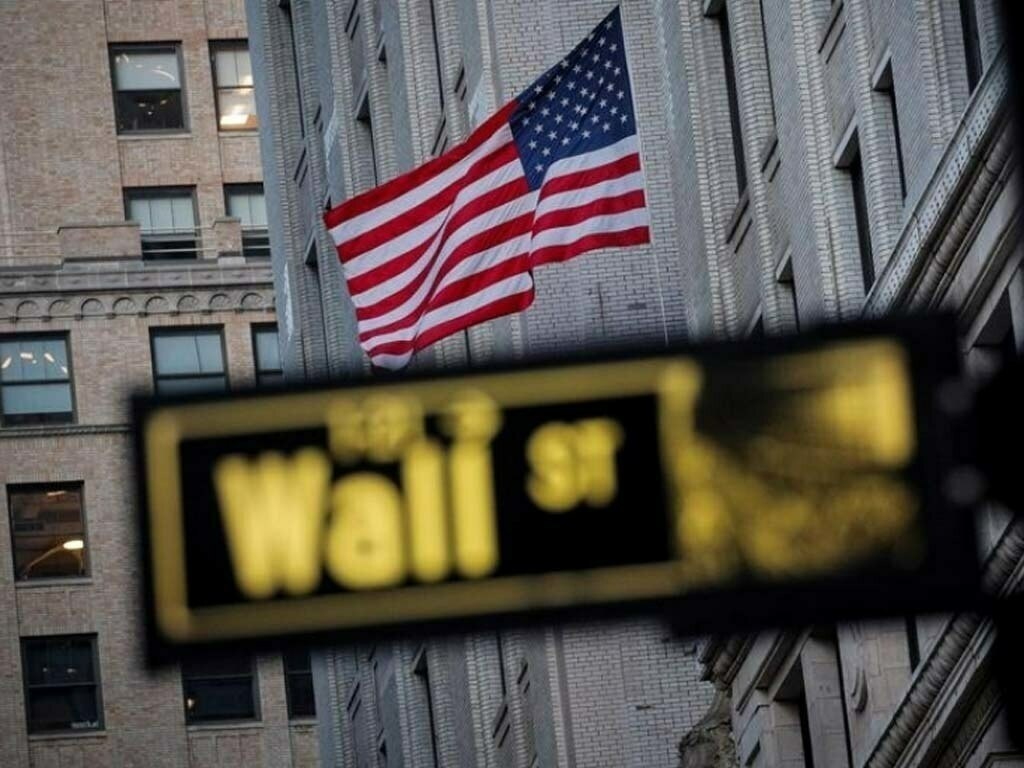

NEW YORK: Wall Street kicked off the week on a dour note, with fresh tariff uncertainty rattling investors, while Tesla shares dropped after CEO Elon Musk announced his political party ambitions.
Electric vehicle maker Tesla fell 7% to a near one-month low and was on track for its worst day in over a month.
Musk announced the formation of a US political party named the “American Party”, marking a new escalation in his feud with Trump.
“Tesla investors are starting to vote their displeasure with him getting back into politics. The potential for him to start his own American party is just the exact opposite of what (they) want,” said Art Hogan, chief market strategist at B Riley Wealth.
Meanwhile, investors turned cautious as they awaited a flurry of US trade announcements expected within 48 hours, with a key deadline to finalize new pacts looming.
President Donald Trump said on Sunday that the country is on the cusp of several deals and would notify other countries of higher tariff rates by July 9. He added that those duties are set to take effect on August 1.
In April, Trump unveiled a base tariff rate of 10% on most countries and additional duties ranging up to 50%. Subsequently, he delayed the effective date for all but 10% until July 9. The new date offers countries a three-week window for further negotiations.
While the Nasdaq in April tumbled into bear market territory on tariff fears, both the index and the S&P 500 had just closed at record highs on Thursday after a robust jobs report.
The Dow was about 1% away from an all-time high.
Still, investors took to the sidelines, wary of shifting trade policies.
Trump also threatened an extra 10% tariff on countries aligning themselves with the “Anti-American policies” of the BRICS group of Brazil, Russia, India, China and South Africa.
At 11:38 a.m. ET, the S&P 500 lost 0.61%, while the Dow Jones Industrial Average fell 0.73% - with both the indexes poised for their biggest single-day drop in three weeks.
The Nasdaq Composite lost 0.68%.
Ten of the eleven major S&P sectors were trading in the red, with consumer discretionary falling the most by 1.1%.
Shares of WNS jumped 14.3% after the French IT services firm Capgemini agreed to buy the outsourcing firm for $3.3 billion in cash.
Trump’s inflation-causing tariff policies have further complicated the Fed’s path to lower rates. As a result, minutes of its June meeting, scheduled for release on Wednesday, should offer more clues on the monetary policy outlook.
Traders have fully priced out a July rate cut, with September odds at 64.4%, according to CME Group’s FedWatch tool.
Attention is also on a sweeping tax-cut and spending bill, passed by House Republicans after markets closed on Thursday, that is set to swell the national deficit by over $3 trillion in the next decade.




















Comments
Comments are closed for this article.