


‘Pakistan needs integrated dry port strategy to decentralise economic activity’
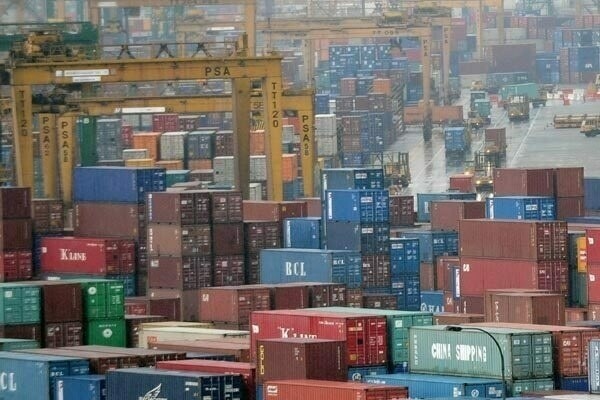

LAHORE: Pakistan must adopt an integrated dry port strategy to decentralize economic activity, facilitate upcountry traders’ access to local ports, reduce logistics costs, and enhance global competitiveness, said customs experts.
This requires collaboration among stakeholders, including the Federal Board of Revenue, Pakistan Railways, Ministry of Commerce, and trade associations, they added.
These circles have proposed to utilize Pakistan Railways for inland cargo movement to reduce congestion and road traffic while focusing on Lahore, Multan, KP (Peshawar), and Gwadar ports for Phase-1 implementation. To this effect, they stressed to implement digital customs, smart logistics systems, and real-time tracking to enhance efficiency and transparency.
It may be noted that Pakistan’s dry ports are poised to revolutionize the country’s economy by enhancing trade facilitation, economic development, and regional connectivity. Strategically located inland terminals connected to seaports via road or rail, dry ports can significantly boost trade efficiency, reduce logistics costs, and increase global competitiveness.
Speaking about key benefits of dry ports, these experts said dry ports can minimize demurrage charges, delays, and transportation bottlenecks by shifting cargo processing inland. Also, they added, dry ports can generate employment opportunities in logistics, customs, warehousing, and transport, stimulating industrial development and creating Special Economic Zones (SEZs) under the China-Pakistan Economic Corridor (CPEC). Besides, dry ports promote seamless connectivity between road, rail, and sea, ensuring efficient transportation and reducing costs, they stressed.
Regarding current challenges, they said, the absence of a comprehensive national dry port policy hinders the growth and development of dry ports. According to them, congested Karachi ports and limited customs authority at dry ports lead to unnecessary delays and inefficiencies. In addition, poor coordination among stakeholders, including customs, shipping lines, railways, and freight forwarders, affects the smooth operation of dry ports.
Copyright Business Recorder, 2025


























Comments
Comments are closed for this article.