


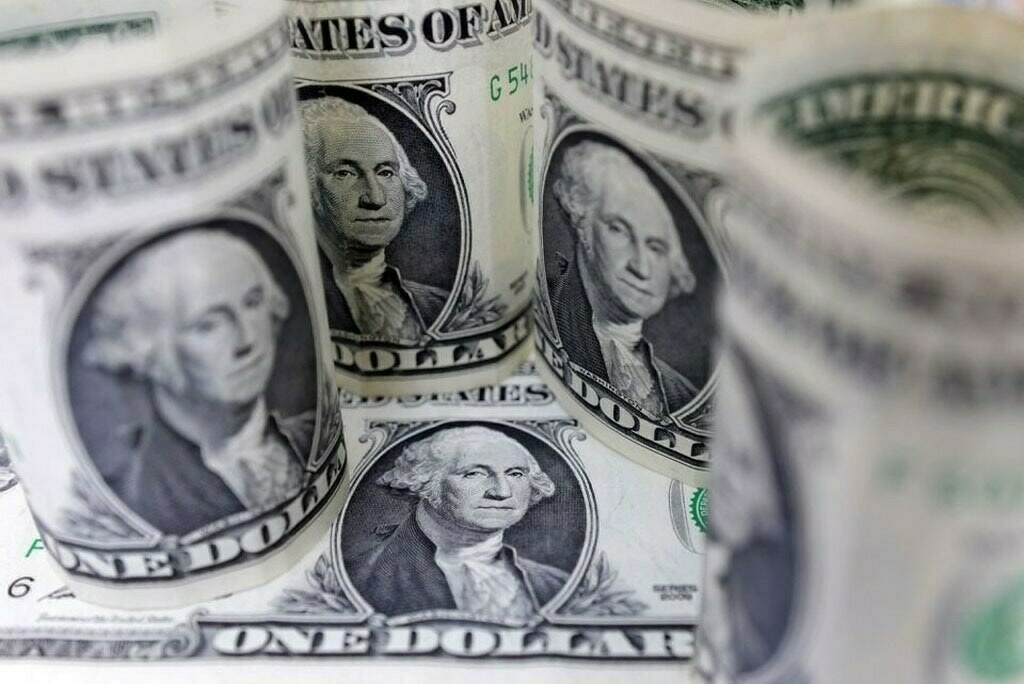

TOKYO: The dollar slipped against other major currencies on Friday after President Donald Trump got his signature tax cut bill over the final hurdle and pressure mounted on countries to secure trade deals with the United States.
The US currency had rallied on Thursday after stronger than expected US jobs data pushed out the timing for potential rate cuts by the Federal Reserve. But the dollar index, which tracks the currency against major peers, is headed for a second-straight weekly decline.
The Republican-controlled House of Representatives narrowly passed Trump’s “One, Big, Beautiful Bill” of spending and tax cuts that is estimated to add $3.4 trillion to the country’s $36.2 trillion debt. Trump is expected to sign the bill into law on Friday.
With the US closed for Independence Day, attention turns to Trump’s July 9 deadline when sweeping tariffs take effect on countries like Japan that have not yet secured trade agreements.
“The appetite for the dollar is waning because, one, the US debt worries are rising and appetite for US debt is at risk,” said Ipek Ozkardeskaya, senior market analyst at Swissquote Bank.
“And also because of the fact that the tariff situation and trade disruptions are going to have a negative impact on growth for the US and the Fed will not necessarily be able to support the economy when inflation risks are rising.”
The dollar index had its worst first half since 1973 as Trump’s chaotic roll-out of sweeping tariffs heightened concerns about the US economy and the safety of Treasuries.
The US currency has fallen more than 6% since April 2, which was when the US announced tariffs on the world, and had hit the lowest in more than three years against the euro and British pound earlier in the week.
The dollar index edged 0.1% lower to 96.92, trimming its 0.4% advance on Thursday. The euro added 0.2% to $1.178, poised for a 0.5% weekly gain.
The yen climbed 0.4% to 144.32 versus the dollar, while the Swiss franc firmed 0.2% to fetch 0.793 per dollar.
TRADE CONCERNS
Trump said many countries will get letters on Friday specifying what tariff rates they will face, marking a shift from earlier pledges to do individual deals with trading partners.
European Commission President Ursula von der Leyen said the EU was aiming for a trade agreement “in principle” with the US before the deadline. Japan, which has been a focus of Trump’s ire of late, is reportedly sending its chief trade negotiator to the US again as early as this weekend.
Indonesia offered to cut duties on key imports from the United States to “near zero” and to buy $500 million worth of US wheat.
Elsewhere, China said it would implement duties of up to 34.9% on brandy originating in the European Union for a period of five years starting from July 5.
In some relief for investors worried about the health of the US economy, the employment report on Thursday showed that non-farm payrolls increased by 147,000 jobs in June, well ahead of economists’ forecast in a Reuters poll for a rise of 110,000.






















Comments
Comments are closed for this article.