


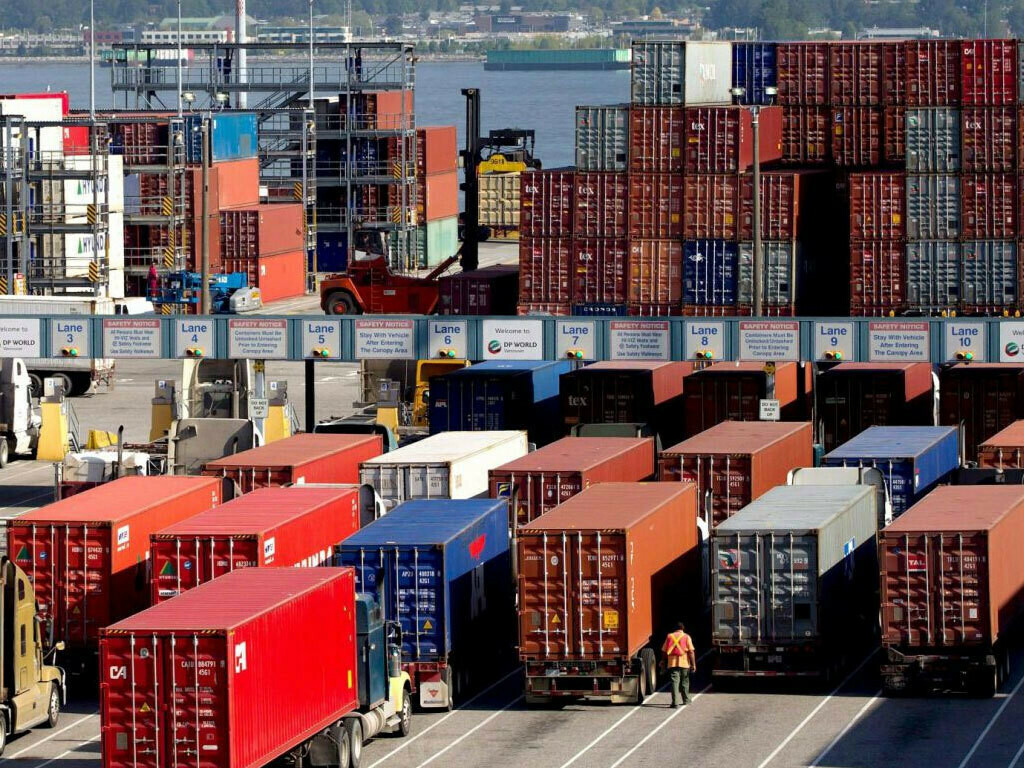

WASHINGTON: The U.S. trade deficit widened sharply in May as exports fell, but subsiding imports suggested trade could still lead an anticipated rebound in economic growth in the second quarter.
The trade gap increased 18.7% to $71.5 billion in May, the Commerce Department’s Bureau of Economic Analysis said on Thursday.
Data for April was revised to show the trade deficit narrowed to $60.3 billion rather than the previously reported $61.6 billion. Economists polled by Reuters forecast the deficit would rise to $71.0 billion.
The trade deficit chopped off a record 4.61 percentage points from gross domestic product in the first quarter, accounting for much of the 0.5% annualized pace of decline in GDP during that period. A reversal is expected in the second quarter, though the anticipated boost from trade is likely to be partially offset by tepid consumer spending.
President Donald Trump’s sweeping tariffs, which have led businesses and households to front-load imports and goodspurchases to avoid higher prices from duties, have muddled the economic picture. Economists warned it could take time for the tariff-related distortions to wash out of the economic data.
Canada’s trade deficit in May narrows, exports to US drop
The goods trade deficit increased 13.0% to $97.5 billion in May. Imports dipped 0.1% to $350.5 billion. Goods imports also eased 0.1% to $277.7 billion. Consumer goods imports decreased by $4.0 billion, pulled down by declines in other textile apparel and household goods as well as toys, games and sporting goods. But imports of pharmaceutical preparations increased.
There were also decreases in imports of industrial supplies and materials, mostly reflecting finished metal shapes, but imports of nuclear fuel materials rose. Imports of motor vehicles, parts and engines increased $3.4 billion. Capital goods imports rose by $0.3 billion, lifted by computers. But imports of computer accessories decreased by $2.8 billion.
Imports of services dropped $0.1 billion to $72.8 billion amid declines in transport and travel services, which offset rises in other business and maintenance and repair services.
Exports fell 4.0% to $279.0 billion. Goods exports dropped 5.9% to $180.2 billion. They were led by a decline of $10.0 billion in exports of industrial supplies and materials, mostly non-monetary gold, natural gas and finished metal shapes.
Capital goods exports decreased by $1.9 billion as shipments of semiconductors, civilian aircraft engines and telecommunications equipment fell. But exports of computer accessories rose. Consumer goods exports increased by $1.5 billion, driven by pharmaceutical preparations.
Exports of services slipped $0.2 billion to $98.8 billion, weighed down by travel and transportation services. But exports of charges for the use of intellectual property increased as did those of other business services.




















Comments
Comments are closed for this article.