


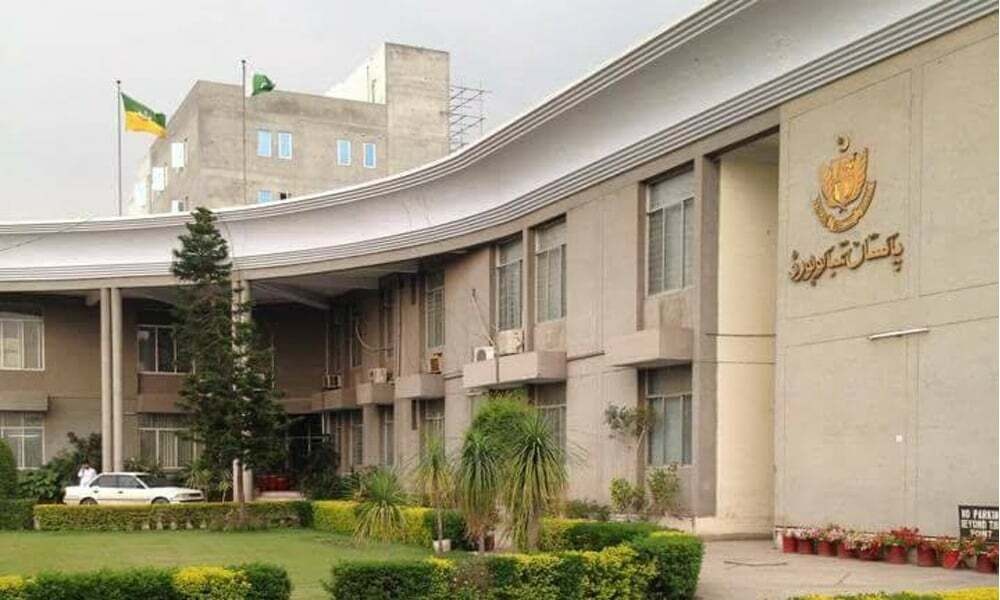

LAHORE: The proposal aimed at devolving the Pakistan Tobacco Board (PTB) to provincial control has stirred significant concern among stakeholders in the agriculture, trade, and policy sectors.
The move, largely driven by the Khyber Pakhtunkhwa (KP) government was actively discussed in the April 28 Council of Common Interests (CCI) meeting.
While the devolution plan is presented as a constitutional shift in line with the 18th Amendment, experts caution that the impact on national revenue, exports, and regulatory cohesion could be severe. The PTB currently plays a critical role in setting industry standards, supporting rural growers, and ensuring traceability in one of Pakistan’s most heavily taxed sectors.
“Tobacco is a key contributor to rural employment, national revenue, and export income. Timely policy action is critical to protect the interests of growers and ensure a stable investment climate,” commented Rana Tanveer Hussain, Federal Minister for National Food Security and Research.
It may be added that the KP is home to a significant number of unlicensed tobacco manufacturers. Analysts warn that transferring oversight to provinces could weaken enforcement, embolden tax evasion, and provide undue advantage to actors who already operate outside the formal economy.
“This move risks undoing years of progress on controlling the black market,” said Abdul Rafay, Spokesperson at Collation of Hope, a policy and advocacy group. “If provincial bodies with conflicting interests gain control, we could see a sharp rise in illicit trade and loss of investor confidence.”
The debate around PTB’s future continues, but for many in the industry, the stakes go far beyond administrative restructuring. What’s at risk, they argue, is the integrity of one of Pakistan’s top revenue-generating sectors.
Copyright Business Recorder, 2025

























Comments
Comments are closed for this article.