


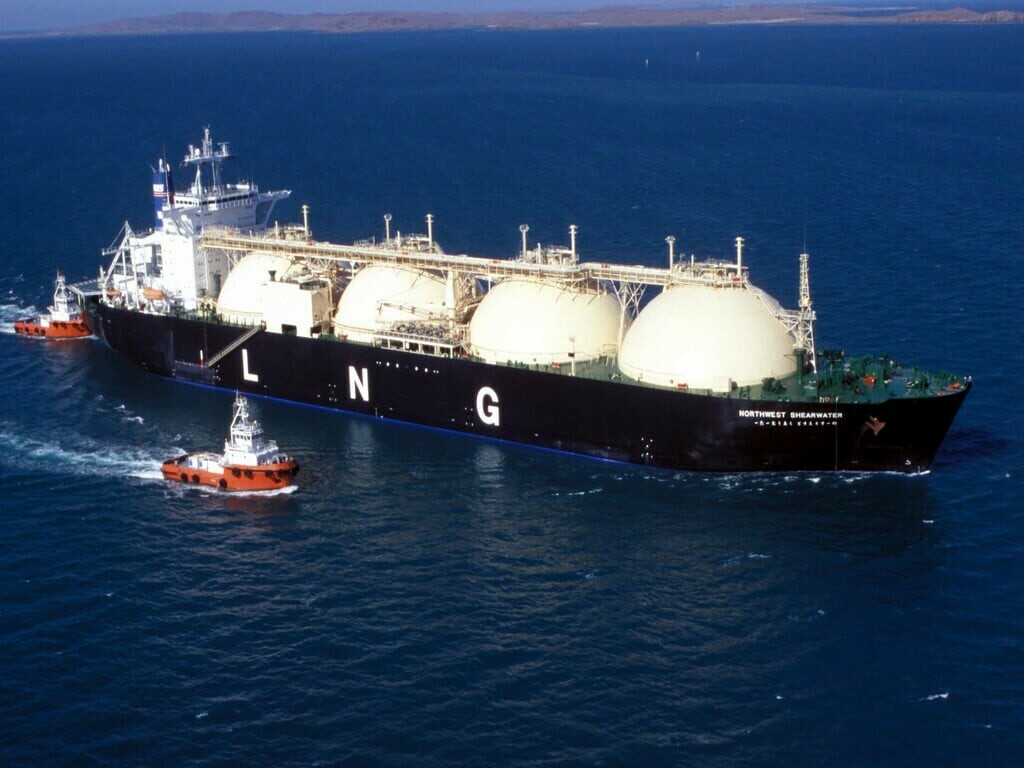

KARACHI/SINGAPORE: Pakistan is exploring ways to sell excess liquefied natural gas (LNG) cargoes amid a gas supply glut that could cost domestic producers $378 million in annual losses, according to a presentation and a government official familiar with the matter.
The country has at least three LNG cargoes in excess that it imported from top supplier Qatar and has no immediate use for, and is currently selling natural gas at steep discounts to local users, a second government official said.
Power generation from gas-fired power plants, which has historically accounted for a lion’s share of LNG use in the country, has declined for three straight years ended 2024, with cheaper solar power use dramatically gaining at the expense of gas-fired generation, data from energy think-tank Ember showed.
That has forced domestic producers of the fuel to curb production.
Pakistan is currently exploring the possibility of transferring LNG cargoes to rented tankers for “offshore storage and onward sale,” state-owned oil and gas producer OGDCL said in a presentation to industry and government.
PM Shehbaz sets up panel for petroleum sector reforms
“Excess LNG in the gas network has resulted in significant production operations impact for local exploration and production companies over last 18 months,” OGDCL said, adding that it had forced curtailment of domestic supply.
The domestic industry could suffer $378 million in losses over the next 12 months at the current rate of curtailment, according to the presentation dated May 29 reviewed by Reuters
It is not immediately clear if Pakistan’s long-term LNG import contracts with QatarEnergy allows for a resale of cargoes. One of the government officials said the country was still exploring ways to do it.
Qatar typically has a destination clause in long-term supply contracts with buyers that restrict where the cargoes can be sold.
QatarEnergy did not immediately respond to a request seeking comment.
Pakistan has already deferred five contracted LNG cargoes from Qatar without financial penalty, shifting delivery from 2025 to 2026, as the country grapples with surplus capacity.
Pakistan to renegotiate Qatar LNG deal amid high costs, paper says
Pakistan’s petroleum minister Ali Pervaiz Malik declined to comment on the presentation, but said renegotiating contracts with Qatar was a “complex” process that could take at least a year, and a final decision on initiating it had yet to be made.
“While the existing contract with Qatar allows Pakistan to decline vessels, doing so incurs penalties and other complications,” Malik told Reuters.
The glut has stemmed from several gas-fired power plants, previously operating under must-run contracts, now being sidelined, Malik said.
“It was expected that summer season will create extraordinary demand but the trend indicates the opposite,” OGDCL said in the presentation.


























Comments
Comments are closed for this article.