


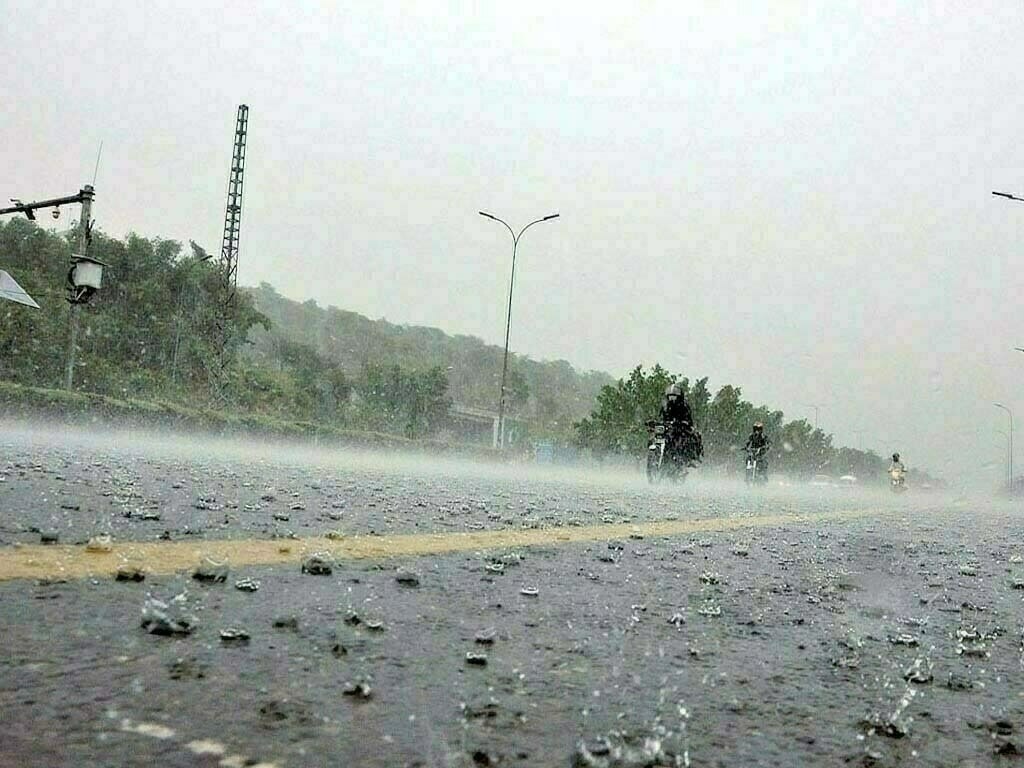
EDITORIAL: Weather patterns in Pakistan have changed considerably during the last few years due to global warming with the summers getting longer and hotter and rainy season becoming more erratic, resulting either in recurring droughts or heaving floods.
Normally, monsoon rains arrive around the beginning of July, but this year the Meteorological Department has forecast an early onset of the monsoons starting June 26, also warning of heavy downpours that are likely to trigger flash floods and landslides in parts of the northern areas while urban inundation is predicted for lowland plains of Punjab and Sindh — all of which have, in recent years, taken a heavy toll on lives and livelihoods.
In 2022 Pakistan endured the worst floods that submerged nearly one-third of the country, claimed over 1,700 lives, and damaged or destroyed more than two million homes, affecting about 33 million people. Economic losses ran into an estimated $30 billion.
Yet in the years since, despite repeated pledges for better preparedness, many of the same systemic vulnerabilities persist. Urban centres like Karachi, Lahore, and other big cities face high risk of urban flooding because of clogged drainage systems, poor planning, and overpopulation in low-lying areas — especially of Lahore.
In hilly regions of Khyber Pakhtunkhwa, Gilgit-Baltistan, and parts of Balochistan the danger is compounded by flash floods and landslides, which can cut off entire valleys and devastate human habitations as well as vital infrastructure. As for the urban centres in the plains, a chronic problem in Karachi remains blockage of the storm water drains with garbage and debris.
The way things are at this point in time, that megacity’s drainage system is a mix of clogged and cleaned areas. Meanwhile, efforts to cleanup Rawalpindi’s Lai Nullah — a much polluted rain-fed stream flowing through the city — as part of the Punjab government’s broader pre-monsoon initiative to mitigate the risks of flooding, still await completion.
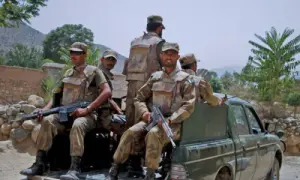
The federal and provincial governments together with the National Disaster Management Authority (NDMA) need to treat the impending heavy rains as a crisis-in-waiting, clearing storm drains, identifying flood-prone areas for evacuation planning, and issuing public advisories, especially to communities in high risk zones.
Rescue services ought to be deployed pre-emptively rather than reactively informing people where to go and how to seek help in the event of an emergency situation. For the longer term, our policy planners must rethink the approach to climate resilience.
From better urban planning to climate-smart agriculture and improved water storage systems, investments in these areas are no longer optional; they are essential for ensuring a stable future in the face of a changing climate.
Copyright Business Recorder, 2025

















Comments
Comments are closed for this article.