


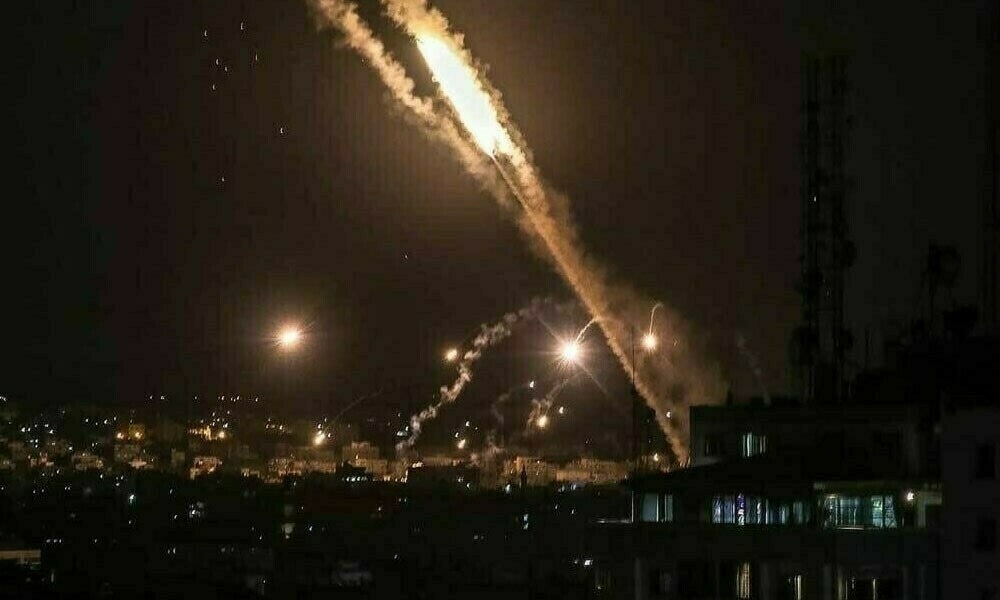
EDITORIAL: The fragile truce between Iran and Israel, which took effect on June 24 soon after Tehran’s retaliatory strikes on American bases in Qatar and Iraq in response to US attacks on its nuclear sites a day earlier seems to be holding so far despite reports of initial violations from both sides and lingering nervousness over the potential for renewed escalation.
President Donald Trump’s extraordinary outburst shortly after the agreement took effect, targeted not just Tehran, but also Tel Aviv for the ceasefire violations, a striking departure from the diplomatic restraint typically exercised by American leaders towards their closest Middle East ally, and this public chastisement appears to have had the desired effect as some stability seems to have been restored in the region.
As recent events show, both Washington and Tehran exercised calculated restraint, deliberately refraining from inflicting maximum damage by providing prior warnings before striking each other’s assets. This was followed by Qatar playing a seminal role in offering a diplomatic off ramp that paved the way for de-escalation.
All sides have now claimed victory: President Trump has doubled down on his assertion that Iran’s nuclear capabilities have been completely destroyed, despite a Pentagon initial report indicating that the US strikes only delayed Tehran’s nuclear programme by a few months.
Israeli Prime Minister Benjamin Netanyahu also declared a “historic victory”, claiming Iran’s nuclear ambitions had been neutralised. Meanwhile, Iran framed the truce as one it had “imposed on the enemy”.
Notwithstanding the claims of victory, the reality on the ground suggests a far more inconclusive outcome, with both Iran and Israel suffering substantial costs and achieving only limited gains.
It is now of the utmost importance that the cessation of hostilities lasts and is not derailed through any miscalculation or reckless adventurism, particularly by Israel, which has a long history of scuttling peace processes and ceasefires on the most spurious of pretexts. That Israel initiated this unprovoked conflict while Iran and the US were engaged in nuclear negotiations lays bare Tel Aviv’s strategic objective: to sabotage diplomacy and force Washington into a confrontation with Tehran.
It is now incumbent upon the US to ensure that it reins in its long-standing ally’s belligerent impulses and clearly communicates the consequences of escalation.
The fact remains that the real cost of instability and violence in the region is borne by hapless civilians in the form of lives lost, infrastructure obliterated, economies decimated and the climate of intense fear that lingers long after the bombs have ceased to fall. More than 600 Iranian civilians lost their lives in this needless war.
Moreover, the global economy — still coming to terms with US trade tariffs and the conflicts in Ukraine and Gaza — can scarcely withstand further hostilities in a region critical to the world’s oil supplies. World powers must, therefore, ensure that this brittle peace holds, prioritising regional stability over geopolitical brinkmanship.
If there is one overarching lesson that has come to the fore in recent days, especially in the aftermath of the ceasefire, it is this: when the US chooses to act decisively, it possesses the means to curb Israel’s reckless aggression. That it has consistently refused to use this influence to stop Israel’s genocidal rampage in Gaza over the last 20 months, choosing instead to enable the slaughter through unchecked arms transfers and diplomatic support, lays bare the complicity of American power in this humanitarian catastrophe.
How much longer will the US wait before using its considerable leverage to force an immediate ceasefire in Gaza and end the conflict that has had the world on edge since October 2023? Failure to do so ensures that it bears the responsibility of every subsequent death.
Copyright Business Recorder, 2025




















Comments
Comments are closed for this article.