


Researchers & teachers: FAPUASA, PUASA condemn govt’s decision to revoke tax rebate
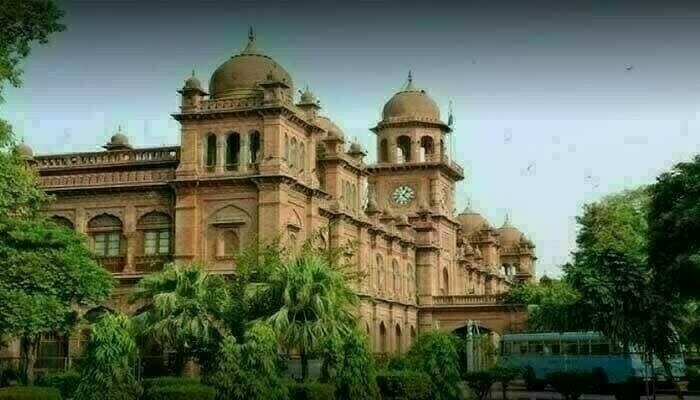

LAHORE: The Federation of All Pakistan Universities Academic Staff Association (FAPUASA) Punjab Chapter and the Punjab University Academic Staff Association (PUASA) held a joint press conference at the University Club Committee Room on Monday strongly condemning the federal government’s decision to revoke the longstanding tax rebate for researchers and teachers.
The associations called upon Punjab Chief Minister Maryam Nawaz to immediately increase budgetary allocations for the province’s universities to mitigate the financial crisis in higher education.
The press conference was chaired by PU ASA President and former FAPUASA President Prof Dr Amjad Abbas Khan Magsi. Other prominent attendees included FAPUASA Balochistan President Prof Dr Kaleem Ullah Bareach, FAPUASA Punjab President and PU ASA Secretary Dr Muhammad Islam, PU ASA Vice President Dr Ghalib Atta, and GCU ASA President Prof Dr Noman Aftab.
The academic leaders expressed deep concern over the inadequate funding and tax-related challenges faced by Punjab’s universities. Dr Amjad Magsi highlighted the disparity in financial support, stating that Punjab, despite being the largest province with 51 universities, has been allocated only Rs18 billion as a recurring grant. In contrast, Sindh, with 32 universities, receives more than double that amount at Rs42 billion. The speakers demanded an urgent revision of the recurring grants for Punjab’s public sector universities to ensure equitable resource distribution.
The tax rebate, initially introduced at 75% during General Musharraf’s government in 2006 to encourage research and retain academic talent, was reduced to 40% by the PML-N government in 2013. Now, the current administration has decided to abolish it entirely, a move that reflects a persistent neglect of the academic community. The rebate was not a privilege but a necessity for university faculty and researchers who often bear out-of-pocket expenses for journal publications, research materials, fieldwork, and academic travel. Its removal is expected to demoralize scholars, reduce research output, and exacerbate brain drain, ultimately undermining Pakistan’s academic progress.
This decision comes amid a severe financial crisis in higher education. Despite the federal budget expanding from Rs5.9 trillion in 2018 to Rs17.5 trillion in 2025 — a 196% increase — the recurring grant for higher education has remained stagnant at Rs65 billion. Meanwhile, the number of public universities has risen from 126 to 160, with operating costs, salaries, pensions, and utility expenses surging significantly.
According to the Economic Survey of Pakistan, the country allocates a mere 0.8% of its GDP to education, with only 0.37% dedicated to higher education in the current fiscal year. This falls drastically short of UNESCO’s recommended 4–6% and lags behind regional counterparts like India and Bangladesh. Notably, both PML-N and PPP had pledged in their election manifestos to raise education spending to 4% of GDP but have failed to fulfil this commitment while in power.
The academic leaders urged the Punjab government to take immediate action to safeguard the future of higher education in the province, emphasizing that continued neglect would have long-term detrimental effects on research, innovation, and national development.
Copyright Business Recorder, 2025




















Comments
Comments are closed for this article.