


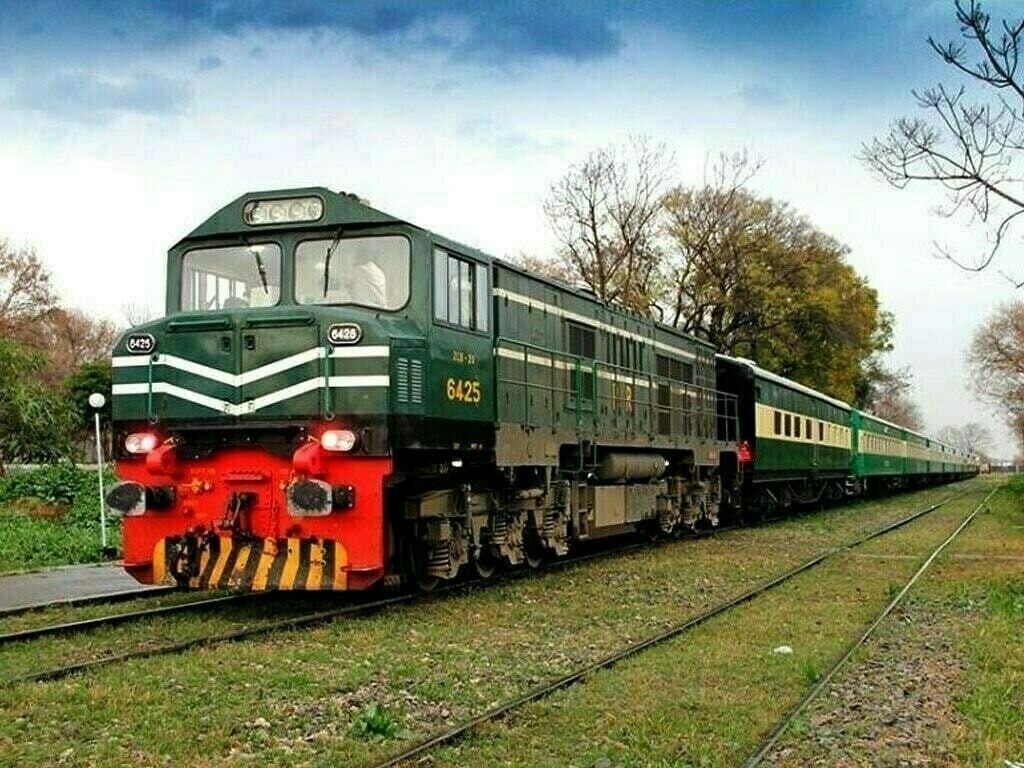
EDITORIAL: There’s no shortage of shock when derailments happen. But the real surprise is that anyone’s still shocked. Pakistan Railways has been in decline for years — a long, grinding erosion of infrastructure, performance, and public trust — yet nothing of substance has ever been done to reverse it. This week’s twin derailments in Hyderabad are not outliers; they’re the inevitable outcome of systemic failure. And the federal government, under whose jurisdiction the railways fall, still won’t admit that the house is on fire.
Two derailments in one day — first a freight train, then a passenger bogie — underscore just how brittle the system has become. Passengers were left stranded in suffocating heat, without water, assistance, or even basic instructions. Station authorities offered no real help, and officials refused to speak. If there was a coordinated emergency response plan, it wasn’t visible. And if there’s any seriousness in Islamabad about fixing this crisis, it certainly wasn’t reflected in the federal budget.
Not a single line item this year is dedicated to overhauling Pakistan Railways infrastructure. No large-scale rehabilitation, no plan to replace rusted tracks or obsolete signaling systems, and no new safety protocols. What exists is a patchwork of routine allocations meant to keep the corpse twitching. There is money for salaries, there is money for pensions, but there is no money for reform. That is the clearest indicator yet of how little priority this sector holds in the national imagination.
This isn’t a recent lapse. Successive governments have treated the railways as a relic of the past, unworthy of investment in an age of motorways and private transport. But the fact remains: for large segments of the population — especially low-income groups — trains are still the most viable means of long-distance travel. Ignoring the railways is not just poor planning; it is willful abandonment of millions of citizens.
The rot goes deep. The tracks are rusted, coaches outdated, staff demoralised, and oversight practically non-existent. It is no longer a question of whether an accident will happen, but when and how bad it will be. For all the headlines each derailment generates, the conversation never moves past the initial flurry of blame. There are no consequences, no accountability, and certainly no systemic corrections. The same failures repeat, because the same inaction follows.
Even the political rhetoric has gone silent. There was a time when promises of railway reform were standard fare during election cycles. Now the sector is so thoroughly neglected, it doesn’t even make it into speeches. That silence is telling — not because the issue has been solved, but because it’s been discarded.
The federal government cannot hide behind excuses. Pakistan Railways is its direct responsibility. Blaming bureaucratic inertia or past mismanagement no longer holds. The facts are right there: the tracks are breaking down, the engines are stalling, and people are being put in harm’s way every single day. And still, the response is muted, the budgets unchanged, the priorities misplaced.
If the railways are to have any future at all, that future must begin with recognition at the highest level that the system is broken beyond routine maintenance. What’s needed is not another consultant’s report or a half-hearted upgrade of a few train services. What’s needed is a wholesale rethink of the role rail should play in Pakistan’s transport strategy — followed by the funds, the management overhaul, and the political will to deliver it.
Until then, the derailments will continue — of trains, of trust, and of any claim this government might make to long-term planning.
Copyright Business Recorder, 2025























Comments
Comments are closed for this article.