


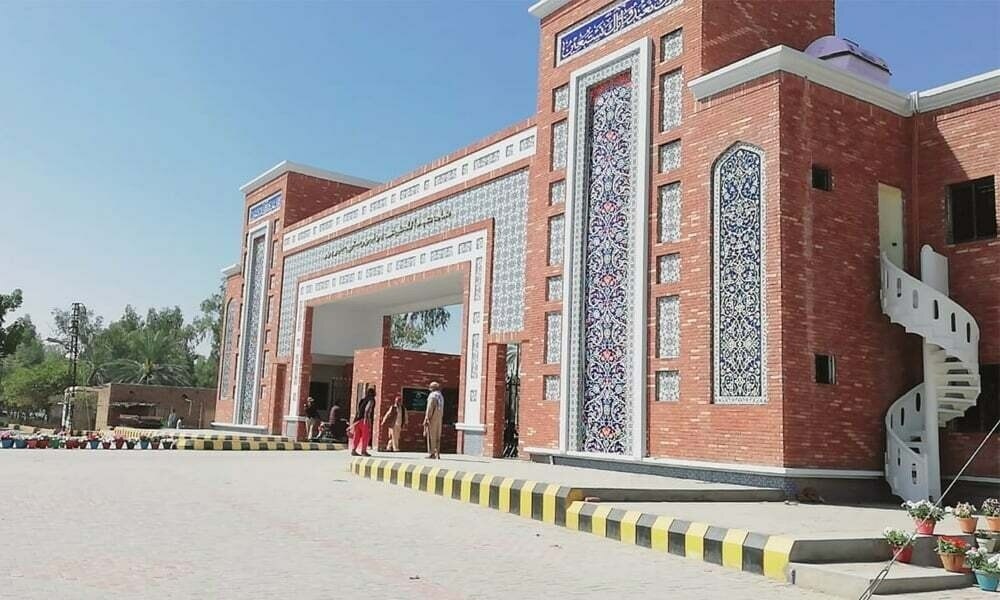

HYDERABAD: The session, moderated by Prof. Dr. Naveed Ahmed Shaikh, Dean of the Faculty of Social Sciences at Shah Abdul Latif University, featured notable speakers including Prof. Dr. Niaz Ahmed Bhutto, Dean of the Faculty of Management Sciences at Sukkur IBA University; Prof. Dr. Muhammad Yousuf Khushk, Vice Chancellor of SALU; Dr. Asma Arif, Chairperson of the Department of Economics at the University of Wah; Dr. Majid Hussain, Faculty Member at SALU.
Prof. Dr. Muhammad Yousuf Khushk recognized the budget's focus on social concerns but stressed that more emphasis was needed on formal education and long-term human capital development.
Dr. Majid Hussain critiqued the budget for its limited focus on growth, emphasizing that while it prioritized macroeconomic stability and fiscal deficit reduction, there was a critical need for increased investment in health and education. He supported his analysis with relevant facts and figures, drawing comparisons with the previous year to highlight the need for more balanced and sustainable fiscal policies. He highlighted concerns over the government’s reliance on existing taxpayers for revenue generation and the reduced allocations for health and education.
Dr. Asma Arif justified the increase in defense spending due to regional geopolitical tensions but emphasized the need for a better balance with investments in education and healthcare, which remain underfunded.
Prof. Dr. Niaz Ahmed Bhutto criticized the budget's unrealistic targets, pointing out that austerity measures and reduced subsidies would likely dampen consumer spending, leading to lower economic growth than projected. He also expressed concern over the potential negative impact on the power sector and agriculture, given the cuts in subsidies and global geopolitical tensions.
Taj Rind echoed concerns about the inadequate relief for the salaried class and the challenges faced by industries due to rising energy costs and insufficient policies to support exports.
The session concluded with an interactive Q&A, reflecting diverse viewpoints and highlighting the critical need for balanced economic policies to foster sustainable growth, improve social welfare, and manage fiscal stability.
Our sincere thanks to Prof. Dr. Muhammad Yousaf Khushk, the entire panel of experts, and the audience for their valuable insights, and we extend our gratitude to Shah Abdul Latif University Khairpur for their collaboration in making this event a success.
Pakistan Economics Frontier advocates for a comprehensive approach to economic policy, emphasizing balanced investment in health, education, and social welfare alongside fiscal stability. We call for broadening the tax base, encouraging industrial growth, and addressing consumer concerns through targeted relief measures. Moving forward, collaboration between academia, policymakers, and the private sector will be crucial to achieving sustainable economic development and stability.
Copyright Business Recorder, 2025

























Comments
Comments are closed for this article.