


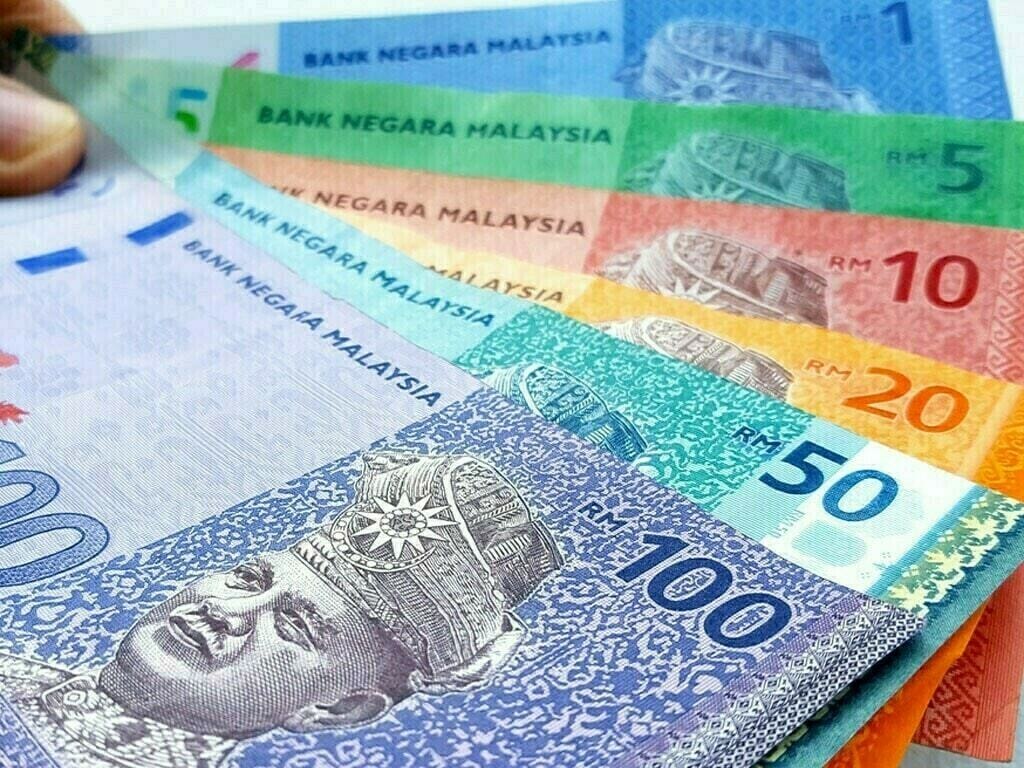

BENGALURU: Emerging Asian currencies weakened on Tuesday against a largely steady dollar, as conflict in the Middle East kept investors on edge, while focus was also on central bank rate decisions this week.
Broader risk-off sentiment gripped markets after US President Donald Trump called for the evacuation of Tehran. A separate report said Trump has asked for the National Security Council to be prepared in the situation room as he cut short his visit to the Group of Seven summit in Canada.
The Israeli shekel edged down 0.2% after rising 3.5% on Monday.
In Asia, the Thai baht and the Philippine peso both weakened 0.4%.
Oil prices rose, with analysts suggesting geopolitical uncertainty would keep prices elevated.
Analysts at Barclays see risks for most Asian currencies in the near term especially if oil prices move even higher.
“TWD and THB are most at risk, followed by KRW, as these currencies tend to weaken the most in Asia in the wake of oil supply shocks,” they said in a note.
Regional equities were largely mixed. Stocks in Taiwan and Indonesia rose 0.7% and 0.6%, respectively, while those in India and Malaysia fell 0.4% each.
Some Asian equities mirrored overnight Wall Street gains, partly due to relief that the developments in the Middle East over the weekend did not escalate as much as initially feared but investors are still cautious, said Khoon Goh, ANZ’s head of Asia research.
South Korean stocks pared gains and were last up 0.1%, after rising as much as 1.8% earlier in the session.
Seoul’s top negotiator said that the country’s trade negotiations with the US are expected to proceed in an intense manner in the next few weeks.
Investors’ focus is also on central bank meetings this week.
Bank Indonesia will announce its decision just hours before the US Federal Reserve on Wednesday and is expected to hold its interest rate steady, likely prioritising the stability of the rupiah.























Comments
Comments are closed for this article.