


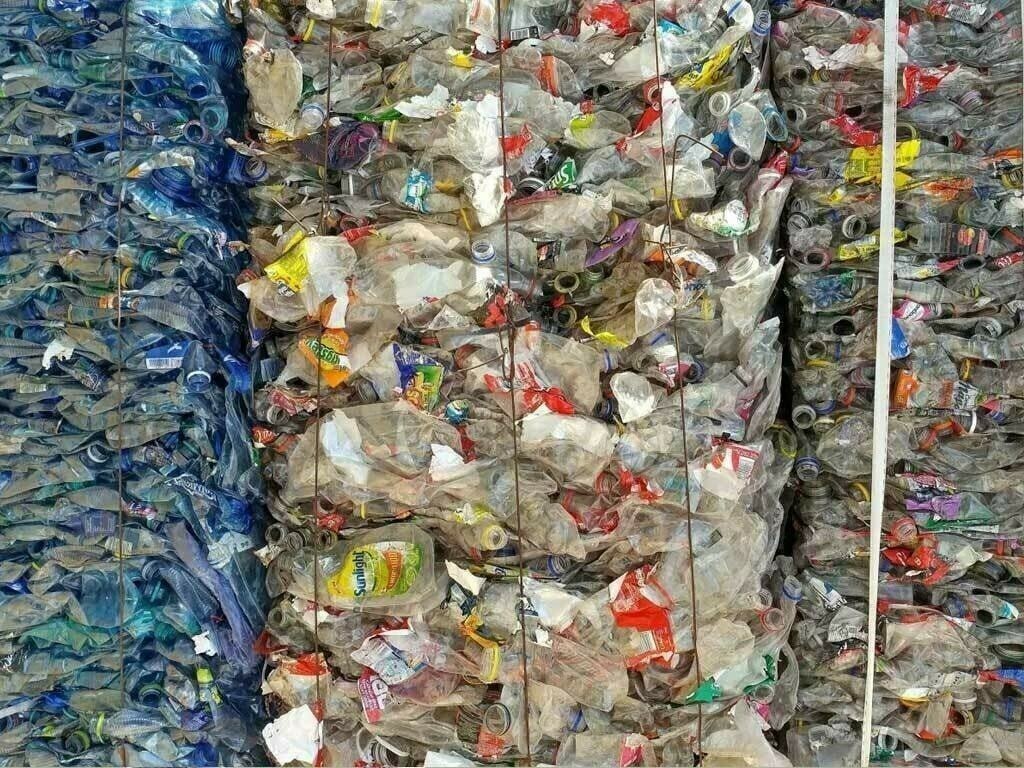

KARACHI: Pakistan is facing an alarming plastic pollution crisis, with nearly two million tonnes of plastic waste generated annually, 86 percent of which is mismanaged, according to a press release issued by the World Wide Fund for Nature-Pakistan (WWF-Pakistan) on World Environment Day.
The statement reveals that over 1.7 million tonnes of this waste ends up in landfills, open dumping sites, waterways, and food systems—placing Pakistan among the top 10 plastic-polluting countries globally.
WWF-Pakistan warned that plastic pollution has become a critical environmental challenge, significantly contributing to environmental degradation, biodiversity loss, and water contamination. The country ranks among the highest in South Asia in terms of plastic mismanagement, worsening issues related to urban waste disposal and posing serious public health risks.
On a global scale, plastics have transformed industries by offering cost-effective, durable alternatives to traditional materials. However, the widespread use of single-use plastics (SUPs) has triggered serious environmental and health concerns. These short-term disposable items, such as bottles, wrappers, bags, and cutlery, are discarded in the billions every day. The United Nations Environment Programme reports that approximately 400 million metric tons of plastic wastes are produced annually, with 36 percent consisting of single-use items.
A 2023 study by the Pakistan Environmental Protection Agency (Pak-EPA) found that less than 10 percent of plastic waste in Pakistan is recycled. The rest contributes to inefficient waste diversion and overflows in landfill sites. The situation is further worsened by the absence of an integrated waste management system and minimal investment in material recovery infrastructure.
Single-use plastics are most commonly found in food and beverage packaging, such as bottles, takeout containers, grocery bags, straws, and personal care products. Plastic packaging alone accounts for 40 percent of global plastic production, making it the leading contributor to the accumulation of global plastic waste. These products are primarily made from non-biodegradable polymers like polyethylene and polystyrene, which can persist in the environment for centuries and cause serious ecological and health hazards.
Globally, over 14 million tonnes of plastic waste enter the oceans each year, endangering marine ecosystems. Microplastics—tiny particles resulting from the degradation of larger plastic items—have entered the global food chain, with traces found in seafood, drinking water, and even human blood. Exposure to these particles has been linked to hormonal disruption, reproductive issues, and higher risks of carcinogenic diseases. Moreover, the plastic industry also contributes significantly to greenhouse gas emissions, exacerbating global climate change.
Commenting on the gravity of the situation, Hammad Naqi Khan, Director General of WWF-Pakistan, said the world is struggling to tackle plastic pollution, which is adversely affecting human health, ecosystems, and endangered wildlife. He emphasized the urgent need to reduce plastic production and launch joint awareness campaigns to educate the public about the harmful impacts of plastic usage. “Despite the government’s partial bans on plastic bags, the affordability and convenience of single-use plastics continue to drive excessive consumption,” Khan stated. He called for stronger policy interventions, improved waste recovery systems, and a transition to circular plastic economy models.
The situation in Pakistan is particularly concerning, as microplastics have been detected in several drinking water sources, raising alarm about long-term health consequences. Additionally, the country’s plastic industry emits substantial amounts of CO₂ each year, heightening its vulnerability to climate change. WWF-Pakistan urged authorities and the public to discourage the production and consumption of plastic products to protect the environment and mitigate health risks.
Copyright Business Recorder, 2025




















Comments
Comments are closed for this article.