


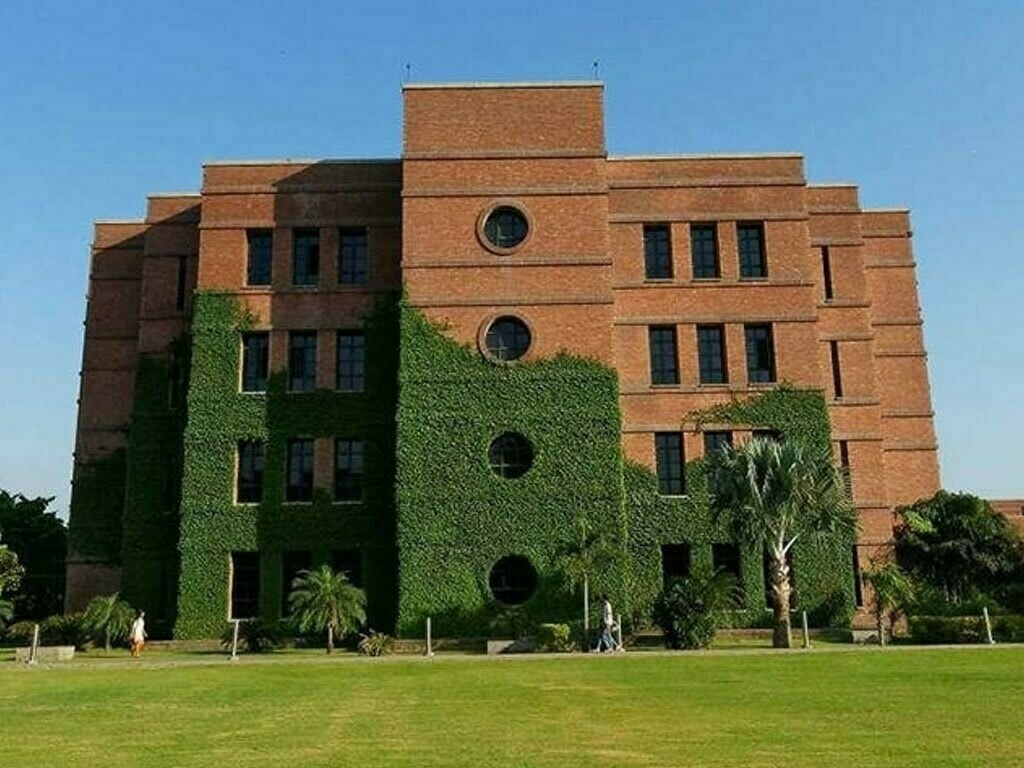
LAHORE: The Lahore University of Management Sciences (LUMS) recently hosted the 8th edition of UX Pakistan 2025, the country’s largest and longest-running design conference, bringing together a vibrant assembly of designers, technologists, educators, and thought leaders from across Pakistan and beyond.
With the theme “Design for Social Impact”, the two-day event marked a pivotal moment in the national discourse on design, positioning it not just as an aesthetic tool but as a strategic force for societal transformation. This year’s conference featured design leaders challenging the status quo, urging a shift from traditional, surface-level interpretations of design toward its strategic application in addressing Pakistan’s most pressing challenges—from inclusive education and public health to climate resilience and equitable urban development.
Design in Pakistan has evolved beyond simply creating user interfaces; it now encompasses systems thinking, strategic planning, and a focus on social equity. The UX Pakistan conference serves as a call to action, aiming to establish design as a vital driver of human-centered innovation across both public and private sectors.
Now a cornerstone initiative in the local design ecosystem, UX Pakistan began as a student-led movement at LUMS and has evolved into a national platform for design discourse and action. This year’s conference not only featured keynote presentations and panel discussions by influential speakers but also served as the launch pad for Design for Pakistan, an impactful new initiative aimed at institutionalising design-led thinking and practice across academia, government, and industry.
Design for Pakistan aims to move beyond advocacy by establishing a practical, actionable framework for integrating design into national development. It will focus on modernising academic curricula, launching design fellowships, building cross-sector partnerships, and supporting governments in co-creating public services grounded in empathy and real-world context.
In a country where Sustainable Development Goals (SDGs) remain an urgent priority, the event spotlighted how design can serve as a practical, iterative tool to shape localised solutions that are both intelligent and scalable.
As Pakistan continues to navigate complex social, economic, and environmental challenges, UX Pakistan 2025 has reemphasised the need to cultivate a national design culture—one that is rooted in local context and driven by impact, not imitation.
With the excitement of this year’s conference still strong, the message from LUMS is clear: Pakistan doesn’t need to catch up with global design trends; it needs to chart its own path, and the time to do that is now.
Copyright Business Recorder, 2025
















Comments
Comments are closed for this article.