


PPMA says price deregulation helps restore medicine availability
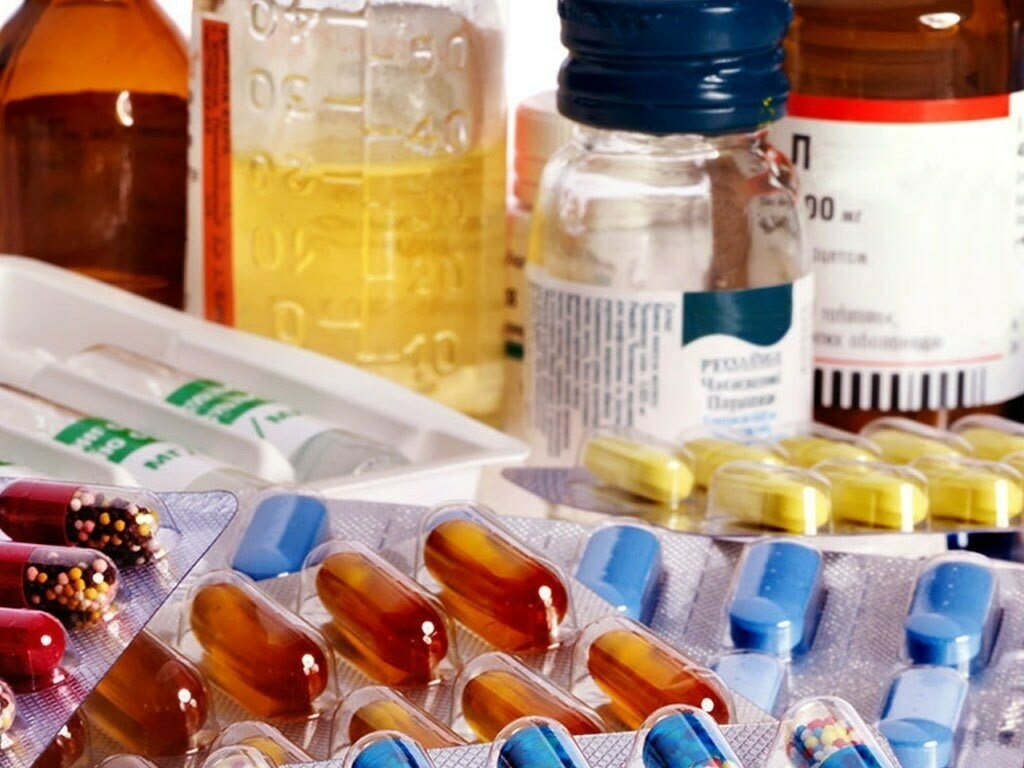

KARACHI: The government’s decision to deregulate prices of non-essential medicines has helped restore the availability of critical drugs across Pakistan, ending months of shortages that had severely impacted public health, experts and industry officials said on Monday.
“The policy shift has addressed critical supply gaps. Medicines that had vanished due to unviable prices are now back, offering relief to patients who were left at the mercy of black markets or counterfeits,” said Tauqeer-ul-Haq, Chairman of the Pakistan Pharmaceutical Manufacturers Association (PPMA), while speaking to reporters here.
For years, pharmaceutical firms were unable to produce dozens of drugs— ranging from painkillers to psychiatric treatments— because of outdated price controls. “When a tablet priced at Rs3 can’t be produced at cost, it disappears. Deregulation allowed us to price it at Rs6 and bring it back to patients,” Haq explained. “The most expensive medicine is the one that isn’t available.”
Under the new framework, pharmaceutical companies can adjust prices of non-essential medicines in line with inflation and production costs. However, essential and life-saving drugs— more than 460 in number— remain under strict price regulation. This hybrid model mirrors international best practices, allowing market forces to stabilize supply while keeping vital medicines affordable.
According to the PPMA chairman, the impact has been swift. Local manufacturers have resumed production, and multinational firms are reconsidering their plans to exit the market. “The intent is not to increase prices indiscriminately, but to ensure sustainable production and eliminate dangerous alternatives,” he said.
The resolution of long-pending hardship cases, some delayed for over three years, has also contributed to the supply revival. With bureaucratic hurdles removed, medicines like insulin, antibiotics, and cardiac treatments are once again accessible to patients.
Industry data supports these developments. IQVIA reports that Pakistan’s pharmaceutical market crossed the Rs1.049trillion mark by March 2025, reflecting 20.62 percent growth in rupee value. While the surge is largely attributed to price adjustments and the reintroduction of long-unavailable drugs, experts estimate, actual organic growth— excluding one- time recoveries—stands at 15 to 16 percent, indicating market stabilisation.
Beyond restoring availability, the policy shift is expected to attract investment in local Active Pharmaceutical Ingredient (API) manufacturing, reducing Pakistan’s 90 percent reliance on imports. Public-private partnerships, including ventures under CPEC, are being explored to build domestic resilience and reduce exposure to global supply shocks.
The industry also foresees job creation, particularly for young pharmacists, technicians, and quality assurance professionals. Improved pricing structures are expected to support infrastructure upgrades and pave the way for international certifications—potentially boosting Pakistan’s $700 million pharma exports.
While concerns over rising prices remain, experts and industry leaders argue that the broader gains—improved availability, reduced counterfeit risk and production sustainability—far outweigh the short-term impact. “This isn’t just about business,” Haq emphasized. “It’s a public health imperative.”
Clinical pharmacists and pharmacologists also noted that deregulation has helped restore the supply of previously unavailable medicines, with patients finally gaining access to treatments that had vanished due to price constraints.
They added that shortages have eased noticeably in recent months, and the availability of genuine medicines has reduced reliance on unsafe alternatives.
Copyright Business Recorder, 2025

























Comments
Comments are closed for this article.