


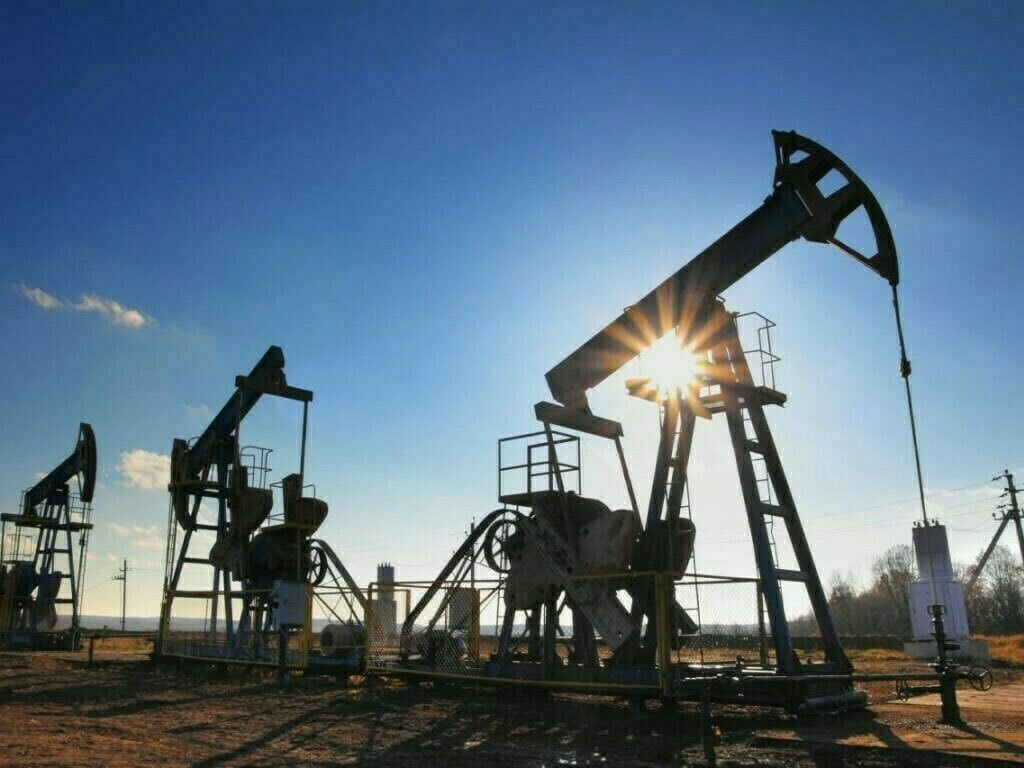

NEW YORK: Oil prices climbed about 2% to a two-week high on Monday after the US and China agreed to temporarily slash tariffs, raising hopes of an end to the trade war between the world’s two biggest economies.
Brent crude futures rose $1.35, or 2.1%, to $65.26 a barrel by 11:39 a.m. EDT (1539 GMT), while US West Texas Intermediate (WTI) crude gained $1.40, or 2.3%, to $62.42.
The US and China reached a better-than-expected deal to temporarily slash tariffs, sending Wall Street stocks, the US dollar and crude prices sharply higher, as the world’s two biggest oil consumers seek to end a damaging trade war that has stoked fears of recession.
“This was a larger-than-expected de-escalation and represents an upgrade to the outlook, though the negotiation process will likely remain challenging,” analysts at bank ING said in a note.
Oil prices fell to a four-year low in April due primarily to worries about what the US-China trade war would do to global economic growth and oil demand, while at the same time the Organization of the Petroleum Exporting Countries (OPEC) decided to boost oil output by more than previously expected.
In Saudi Arabia, the biggest producer in OPEC, oil giant Aramco said it expects oil demand to remain resilient this year and sees further upside if the US and China successfully resolve their trade dispute.
In Iraq, the second biggest producer in OPEC, oil exports were on track to decline to around 3.2 million barrels per day (bpd) of crude in May and June in what would amount to a significant reduction from previous months.
Oil prices also gained support after Norwegian energy firm
Equinor said it temporarily halted output from the Johan Castberg oilfield in the Arctic Barents Sea to make repairs.
And in the Black Sea, Black Sea CPC Blend exports via the Caspian Pipeline Consortium system were on track to ease to 1.5 million bpd in May, down from some 1.6 million bpd in April.
In the US, meanwhile, a House committee in Congress released a budget proposal that includes more than $1.5 billion to replenish and maintain the Strategic Petroleum Reserve, and would cancel a congressionally mandated sale following huge sales from the facility in 2022.
One factor that could lower oil prices was the ongoing talks between the US and Iran over Tehran’s nuclear program.
Iran is the third biggest producer in OPEC and any nuclear deal could reduce sanctions and boost the amount of oil Iran could export.
Another factor that could lower oil prices was the potential for US-brokered talks between Russia and Ukraine.
Ukrainian President Volodymyr Zelenskiy said he was ready to meet Russia’s Vladimir Putin in Turkey on Thursday after US President Donald Trump told him publicly to immediately accept the Kremlin leader’s proposal of direct talks.
Trump raised the prospect of joining talks between Russia and Ukraine in Turkey.
Russia was the world’s second biggest oil producer in 2024, according to data from the US Energy Information Administration.
Any deal between Moscow and Ukraine could reduce sanctions on Moscow and boost the amount of oil Russia can export.























Comments
Comments are closed for this article.