



ISLAMABAD: The Pakistan Electricity Review 2025, recently launched by Renewables First, an Islamabad-based energy think tank — presents a comprehensive analysis of key trends and challenges that shaped Pakistan’s power sector during the fiscal year 2024 (FY24).
The report identifies FY24 as a transformative year, marked by record imports of solar PV panels from China. This surge in imports spurred rapid growth in rooftop solar installations across the country, both net-metered and behind-the-meter. By March 2025, Pakistan had installed 4.9 GW of net-metered solar capacity, signaling strong momentum in distributed renewable energy.
However, a substantial number of behind-the-meter installations remain undocumented, suggesting that the actual installed capacity may be significantly higher.
From crisis to clean energy: Pakistan emerges as top solar market in 2024
Pakistan’s total installed power generation capacity reached 46.2 GW in FY24, following the addition of three new utility-scale solar plants. This marginally increased the share of utility-scale renewables in the generation mix from 6% to 7%.
Despite these additions, the overall contribution of renewable sources (wind, solar, and bagasse) to electricity generation remained stagnant at 5%, well below projected targets and off-track from the 2030 goal of achieving a 30% renewable energy share. Total electricity generation in FY24 stood at 137 TWh.
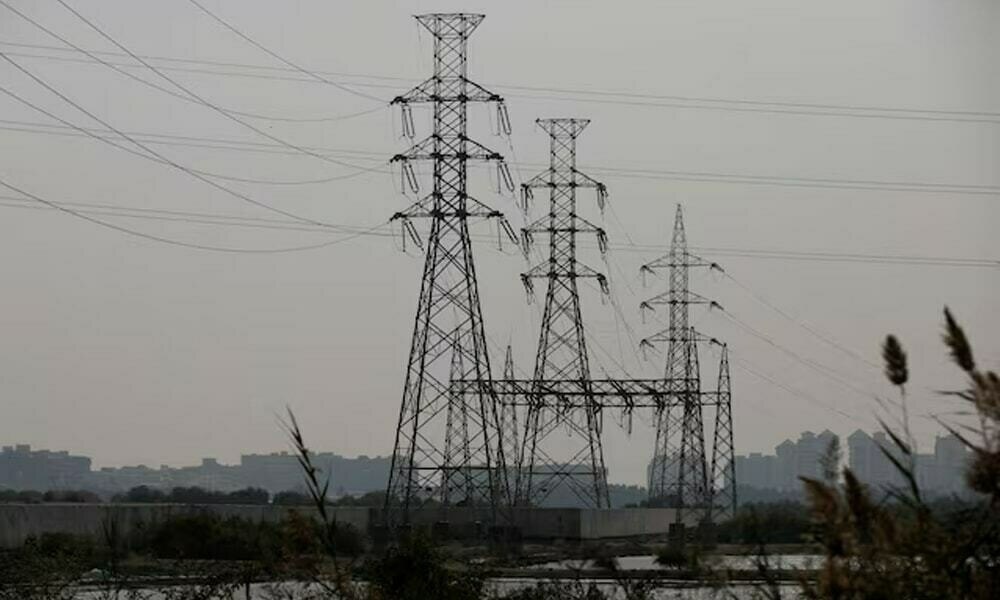
Transmission bottlenecks and overloaded grid infrastructure continued to impede efficient power transfer, particularly from the south to the energy-demanding north. These constraints forced the system operator to reduce dispatch from lower-cost plants, instead relying more heavily on expensive RLNG based generation.
As a result, the energy purchase price ballooned to PKR 1.3 trillion, with RLNG generation alone accounting for PKR 568 billion, approximately 51% of the total energy purchases. RLNG-based plants generated 24 TWh during the year, nearly four times higher than the regulator’s projections.
The report also highlights a decline in electricity sales from the national grid, a continuation of a downward trend for the second consecutive year. Overall sales fell by 3%, with the industrial sector experiencing the sharpest drop. Industrial consumption declined from 31 TWh in FY23 to 28 TWh in FY24, reflecting an 11% year-on-year decrease. This drop underscores both ongoing economic challenges and the sector’s gradual shift toward more competitive energy sources.
On the financial front, capacity payments surged to PKR 1.9 trillion in FY24, marking a 46% year-on-year increase. This sharp rise is largely linked to the commissioning of new coal and RLNG power plants in FY23, which typically entail high fixed costs, especially during their initial debt repayment periods. When such plants operate below optimal capacity, the cost of unused capacity is still borne by consumers through higher tariffs, further stressing the sector’s financial sustainability. Conversely, the decline in electricity generation contributed to a 7% year-on-year reduction in the energy purchase price—offering a modest reprieve amid rising sectoral costs.
Despite timely implementation of fuel cost adjustments (FCAs) and quarterly tariff adjustments (QTAs) by Nepra, the sector’s circular debt continued to climb. By the end of FY24, it had reached PKR 2.4 trillion, a 3.6% increase over the previous year, adding PKR 83 billion to the existing stock, compared to a 2.6% rise (PKR 58 billion) in FY23.
Overall, the Pakistan Electricity Review 2025 offers a sobering assessment of the sector’s ongoing structural issues, while also highlighting areas of progress. It serves as both a reality check and a policy prompt for stakeholders navigating the country’s complex energy transition.
Copyright Business Recorder, 2025





















Comments
Comments are closed for this article.