


Australia, New Zealand pledge support for film industry after Trump proposes tariffs

SYDNEY: Australia and New Zealand vowed to advocate for their film industries on Monday after U.S. President Donald Trump announced a plan to impose 100% tariffs on foreign-made movies.
Australia and New Zealand have emerged as popular filming locations for Hollywood movies in recent years, given lower costs and tax incentives from federal and state governments.
Earlier, Trump said in a post on Truth Social that it was due to incentives offered by other countries to lure filmmakers that the American movie industry was dying a “very fast death”.
He said he was authorizing the relevant government agencies, such as the Department of Commerce, to immediately begin the process of imposing a 100% tariff on all films produced abroad that are then sent into the United States.
Australia’s home affairs minister, Tony Burke, said he had spoken to the head of government body Screen Australia, which offers funding to support the development, production and marketing of screen content, about the proposed tariffs.
Trump says Hollywood ‘dying’; orders 100% tariff on non-US movies to save it
“Nobody should be under any doubt that we will be standing up unequivocally for the rights of the Australian screen industry,” Burke said in a statement.
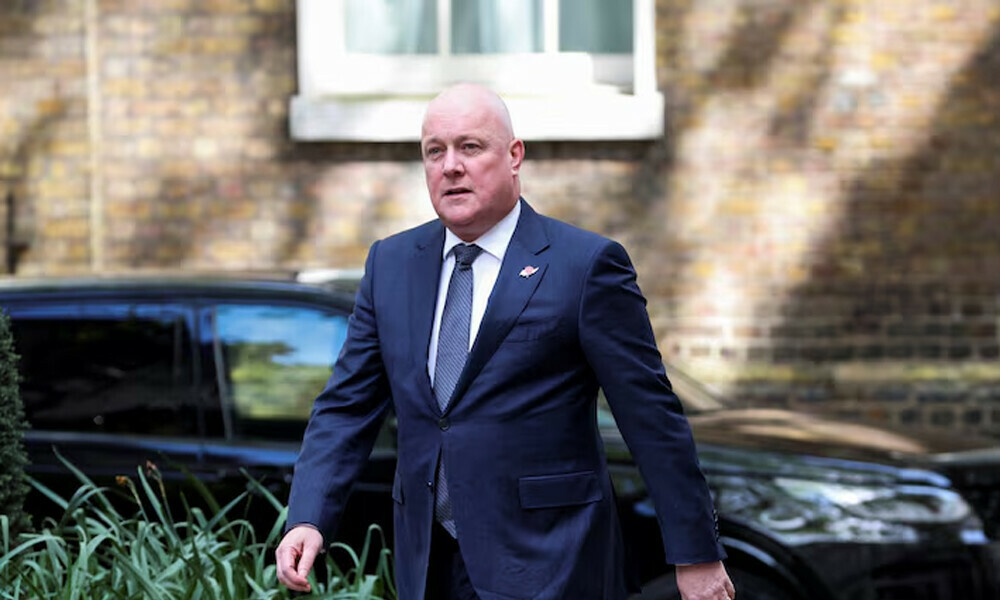
New Zealand Prime Minister Christopher Luxon said the government was awaiting further details on the proposed tariffs.
“We’ll have to see the detail of what actually ultimately emerges. But we’ll be obviously a great advocate, great champion of that sector and that industry,” he said.
The Australian film and television sector was worth over A$4 billion ($2.58 billion) in 2022, according to the country’s statistics bureau.
Australia was the filming location for the Matrix franchise and is a permanent base for studios including Marvel, while New Zealand is best known as the filming location of the “Lord of the Rings” trilogy.
The Australian government has committed A$540 million in tax incentives since 2019 to attract international productions, with the bulk going to Hollywood movies such as Marvel’s “Thor: Love and Thunder”, Universal’s “The Fall Guy” and Legendary Pictures’ “Godzilla vs Kong”.
In New Zealand, the film sector generates NZ$3.5 billion ($2 billion) annually, with around a third of revenue coming from the U.S., its foreign ministry said in a March 2025 report.


























Comments
Comments are closed for this article.