


Moment of extreme danger
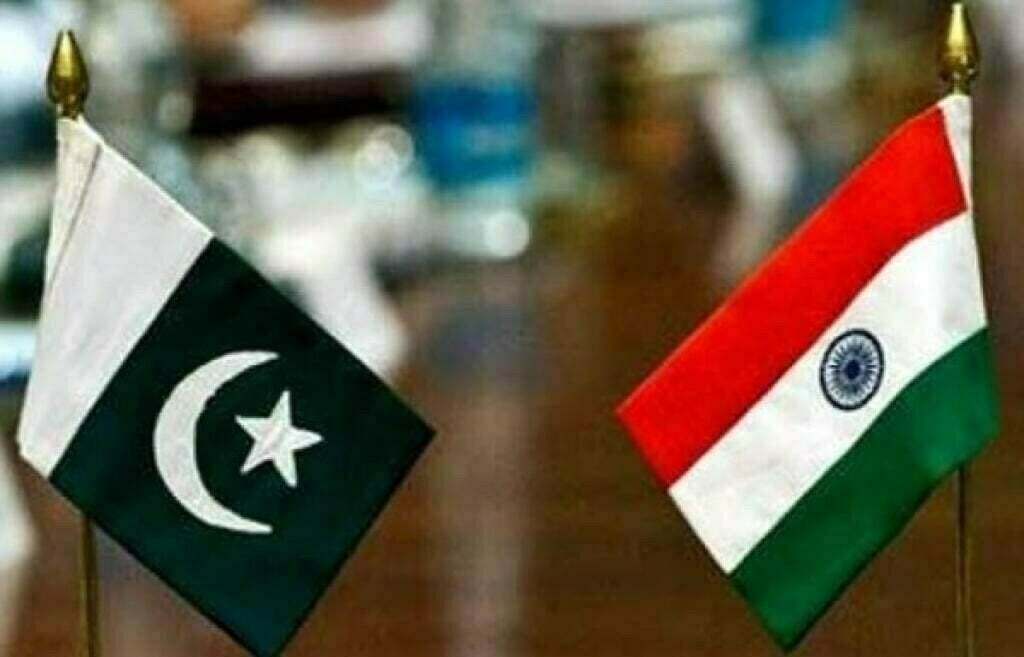
EDITORIAL: It’s one of those things that would be comical if it weren’t so tragic.
As the world watches the subcontinent veer dangerously close to yet another confrontation, the leader of the world’s most powerful country sees fit to suggest that the Kashmir dispute goes back 1,500 years. It is precisely this fundamental lack of serious understanding — not just among distant bystanders, but sometimes even within the region — that threatens to turn grave provocations into all-out catastrophe.
Make no mistake: these are extremely dangerous times for South Asia. The spectre of war, one involving two nuclear-armed powers, is no longer a theoretical concern but a terrifying possibility. Emotions are running high, trust is at its lowest ebb, and the risk of miscalculation has rarely been greater. Against this backdrop, the only responsible course of action is immediate de-escalation, and that can only begin if restraint is shown at all levels — by governments, militaries, and especially the media.
It is here that one of the most reckless developments has unfolded. The Indian media, with few exceptions, has thrown journalistic ethics to the wind and embarked on a frenzied campaign of blame and jingoism. Television studios, far from informing public opinion, are fuelling anger and hysteria with every passing hour. Unfortunately, some Pakistani outlets have responded in kind, completing a dangerous feedback loop that leaves little room for calm reflection. In such an atmosphere, the seeds of disaster are easily sown. The importance of responsible reporting — factual, sober, and committed to peace — cannot be overstated.
It is also clear that international intervention is no longer optional — it is essential. The UN has rightly called for “maximum restraint” and “meaningful mutual engagement,” while countries like Saudi Arabia and Iran have offered to mediate. Yet the biggest powers must do more. Vague hopes that India and Pakistan will somehow “sort it out” by themselves, especially when trust has broken down so completely, are naïve at best and criminally negligent at worst. Every hour that passes without proactive diplomacy increases the chances of an irreparable slide into conflict.
However, the immediate responsibility lies squarely with India. It has levelled grave accusations against Pakistan over the Pahalgam tragedy. Pakistan’s government has responded maturely, demanding that any evidence be shared not just with Islamabad, but with the world. India must now put forward whatever evidence it claims to possess. Without credible proof, its allegations must not be entertained, much less used as a pretext for punitive action. In the absence of transparency, New Delhi’s position risks being seen as an attempt to externalise its internal security failures — a perception that will do nothing to serve regional stability.
There is also the matter of the Indus Waters Treaty — a vital, internationally brokered agreement that has survived wars, crises, and decades of hostility. India’s move to suspend cooperation under the Treaty is not just an act of diplomatic irresponsibility; it is a deeply destabilising provocation. Water, after all, is no less critical to national security than territory. If international norms and treaties can be casually tossed aside in moments of anger, the world will not only be dealing with diplomatic breakdowns but potentially catastrophic humanitarian consequences. India must be brought to its senses on this count as well, before irreparable damage is done.
None of this is to minimise the grief of those affected by the Pahalgam attack. The victims deserve justice. But justice demands facts, investigations, and patience — not the reckless assigning of blame without evidence. It demands that emotions, however raw, be tempered by the recognition that more violence will only produce more victims. And it demands that leaders on both sides, but particularly in India, rise above domestic political considerations and short-term media theatrics to safeguard the future of over a billion people.
The time for empty bravado and inflammatory rhetoric has long passed. The stakes are now far too high. What is needed is the wisdom to pull back from the abyss, to allow cool heads to prevail, and to recommit — however difficult it may seem — to the idea that even bitter rivals can find a way to resolve disputes without destroying everything in the process.
It will take courage. It will take humility. And it will require, first and foremost, a serious, credible, and transparent approach to the truth — not slogans, not scapegoating, and certainly not dangerous myths about ancient grievances.
Copyright Business Recorder, 2025

























Comments
Comments are closed for this article.