


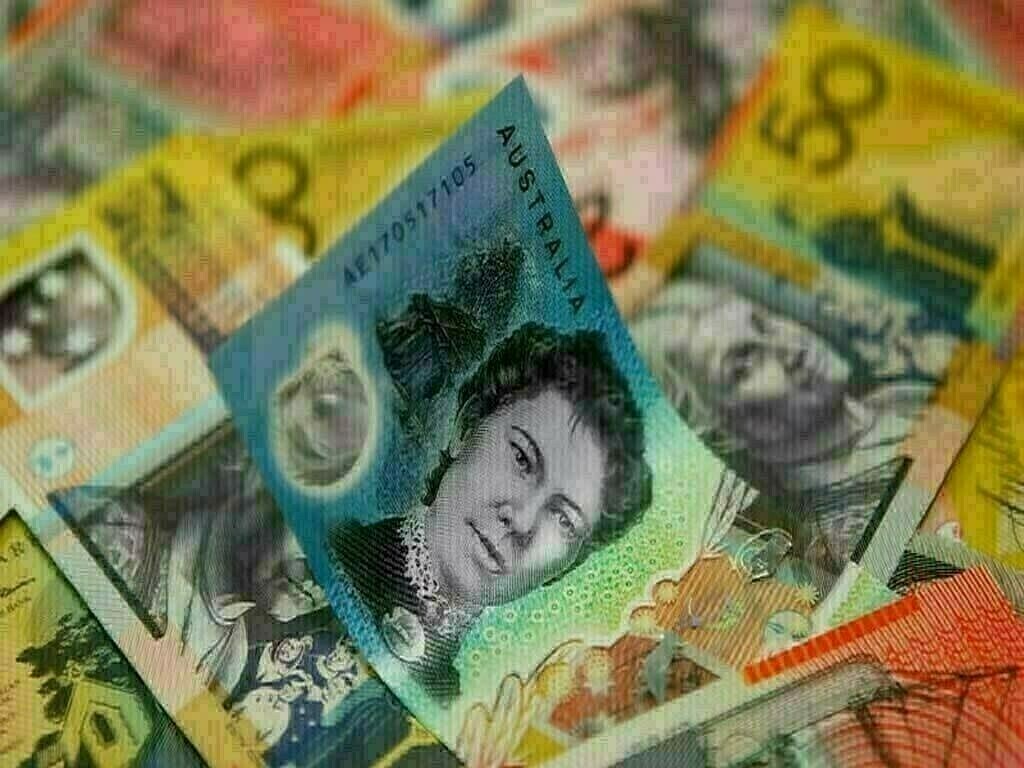

SYDNEY: The Australian and New Zealand currencies clung onto gains on Thursday after the US offered some tariff relief for automakers, while the surprising strength of the euro pinned the greenback at four-month lows.
The Aussie rose 0.3% to hit a one-week high of $0.6354, having surged 1% overnight.
It marks the fourth straight session of gains, which has lifted it off a recent low of $0.6185 and close to the 2025 high of $0.6408.
The kiwi dollar was also up 0.3% to touch a one-week top of $0.5743, after rallying 1.1% overnight.
It has risen for four straight sessions, with resistance now at the 2025 high $0.5770. In the broader market, the US dollar extended its losing streak to fresh four-month lows.
It has been constrained by sharp gains in the euro, which has jumped 4% this week on Germany’s plans to establish a 500 billion euro ($540.30 billion) infrastructure fund and to overhaul a borrowing limit.
“It appears increasingly likely the AUD/USD is set to take another leg higher towards the 200-day moving average at 0.6500/50c with a sustained break above here, a strong indication the downtrend is over for the AUD/USD,” said IG analyst Tony Sycamore.
However, some analysts are sceptical that this marks the end of the strength in the US dollar.
Data showed growth in the US services sector unexpectedly accelerated in February, which eased concerns about a sharp economic slowdown.
“While this may be Germany’s “whatever it takes moment,” we… expect a rebound (in USD) in Q2, which we think will be the peak,” said Mark McCormick, head of FX and EM strategy at TD Securities.
Australia, NZ dollars skid as tariff worries weigh, China stimulus fails to impress
Local data showed Australia’s surplus on trade goods widened in January, driven by a surge in gold exports. Home building approvals also jumped a solid 6.3%, heralding a pick up in the construction sector.
Across the Tasman, the acting head of the Reserve Bank of New Zealand, Christian Hawkesby, on Thursday admitted the difficulty of getting policy right at a research conference in Wellington, a day after the central bank’s Governor Adrian Orr abruptly quit.

























Comments
Comments are closed for this article.