


India must double renewable capacity additions to meet 2030 clean-energy targets, report says
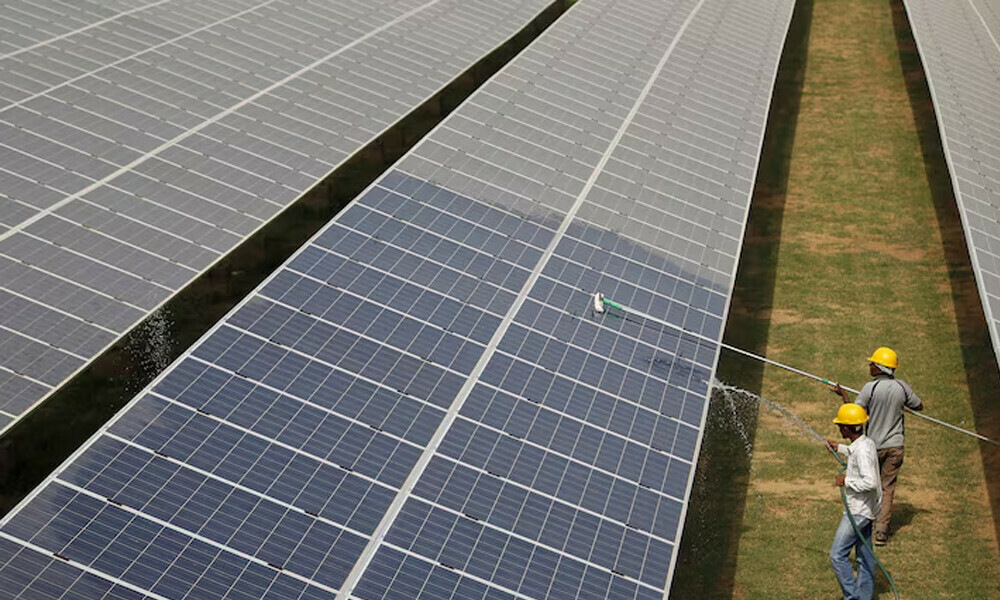

India must double its annual solar and wind capacity additions over the next five years to meet its 2030 clean-energy targets, despite record additions in 2024, Global Energy Monitor (GEM) said in a report on Wednesday.
India added nearly 28 gigawatts (GW) of solar and wind capacity in 2024, with solar power additions accounting for 70% of total additions, according to the country’s renewable energy ministry.
The country has set a target to achieve at least 500 GW of non-fossil power capacity by 2030, up from its current 165 GW. However, India is still falling short of its previously set target to add 175 GW by 2022.
“The pace of renewables deployment needs to accelerate dramatically to reverse the rise in fossil generation and meet India’s ambitious targets,” said GEM, a U.S.-based research group that tracks global energy projects.
Despite a strong pipeline of renewable projects, fossil fuels accounted for more than two-thirds of the total increase in power generation in 2024, according to the report.
What the Adani allegations highlight about India’s clean energy push
“A significant uptick in renewables deployment is required for renewable sources to expand upon their current one-fifth share of total generation and to eat into coal’s dominance,” GEM said, adding that renewables tend to generate power less readily than fossil sources.
India also plans to raise its coal-fired capacity by 80 GW by 2031-32, increasing the total from the current 220 GW, to ensure a reliable base load of power to meet growing domestic electricity demand.
The expansion of renewables will require navigating several challenges, including inadequate electricity transmission infrastructure, limited energy storage capacity, and higher financing costs, according to GEM.


























Comments
Comments are closed for this article.