


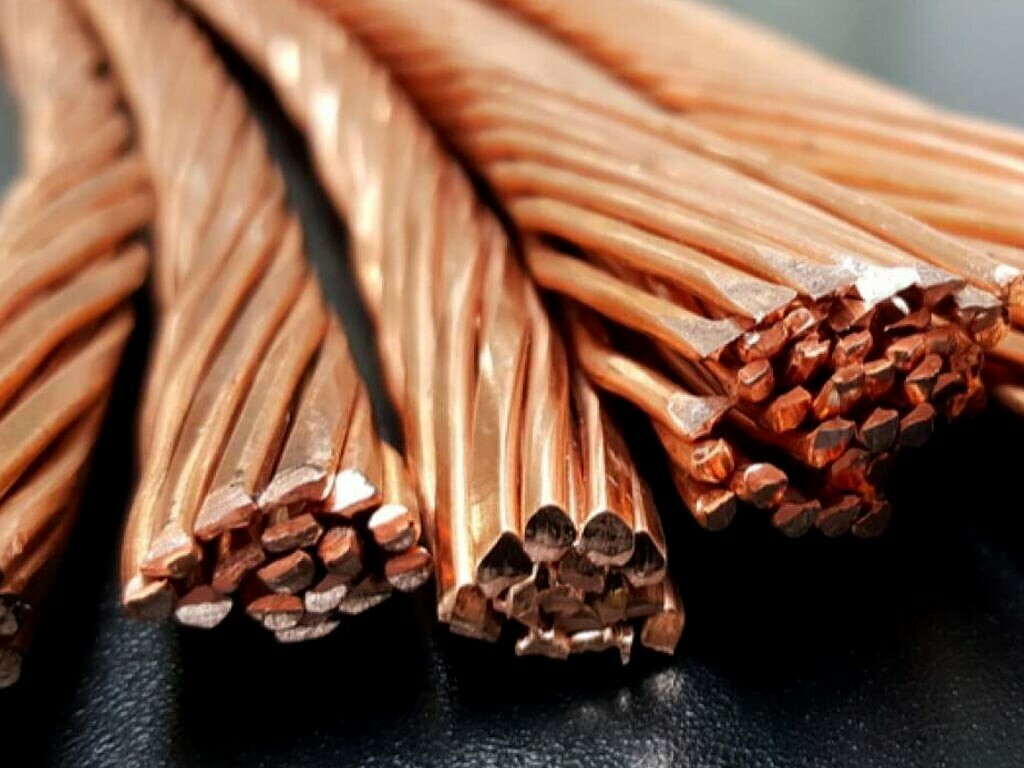

Shanghai copper prices hit a near three-year high on Friday, while prices in London touched a 10-month peak, buoyed by a potential output cut in top producer China.
Three-month copper on the London Metal Exchange (LME) advanced 1.3% to $9,005 per metric ton by 0539 GMT, having hit $9,020 earlier in the session, the highest since April 2023.
The most-traded May copper contract on the Shanghai Futures Exchange (SHFE) advanced 1.7% to 72,890 yuan ($10,129.10) a ton, having climbed to 72,890 yuan, its highest since May 2021, earlier in the session.
Major Chinese copper smelters have reached an agreement to lower operation rates, adjust maintenance plans and postpone new projects, state-backed research house Antaike said on Thursday.
China accounted for 47% of the global refined copper output last year, data from the World Bureau of Metal Statistics showed. It is also the world’s biggest copper consumer.
LME copper slips on uncertainty
However, it is unclear whether the smelters will commit to the production cut and at what level. Meanwhile, copper demand outlook this year remained flat amid subdued economic growth and a lack of big stimulus support.
“Copper has no reason for being here (around $9,000) today. We should be selling it,” said a metals trader.
LME aluminium increased 0.9% to $2,272 a ton, nickel climbed 1.1% to $18,270, zinc advanced 0.9% to $2,572, tin was 0.5% higher at $28,410 while lead dipped 0.1% to $2,156.50.
SHFE aluminum rose 0.2% to 19,300 yuan a ton, tin advanced 1.2% to 225,950 yuan, nickel edged up 0.1% to 141,850 yuan, while zinc was nearly flat at 21,475 yuan and lead fell 0.1% to 16,305 yuan.
Prices were capped by a stronger dollar, which makes greenback-priced metals more expensive to holders of other currencies.
Supply disruptions in nickel in Indonesia and zinc in South Korea helped push LME nickel and zinc prices, which are set for their fifth straight weekly gain.
Mining quota delay in major nickel and tin producer Indonesia could be resolved by the end of March, a senior government official had said.
“This uptick occurs as bearish sentiment mellows with the perception that nickel prices have reached rock bottom, alongside short-term supply woes in Indonesia,” said BMI analysts in a note.

























Comments
Comments are closed for this article.