


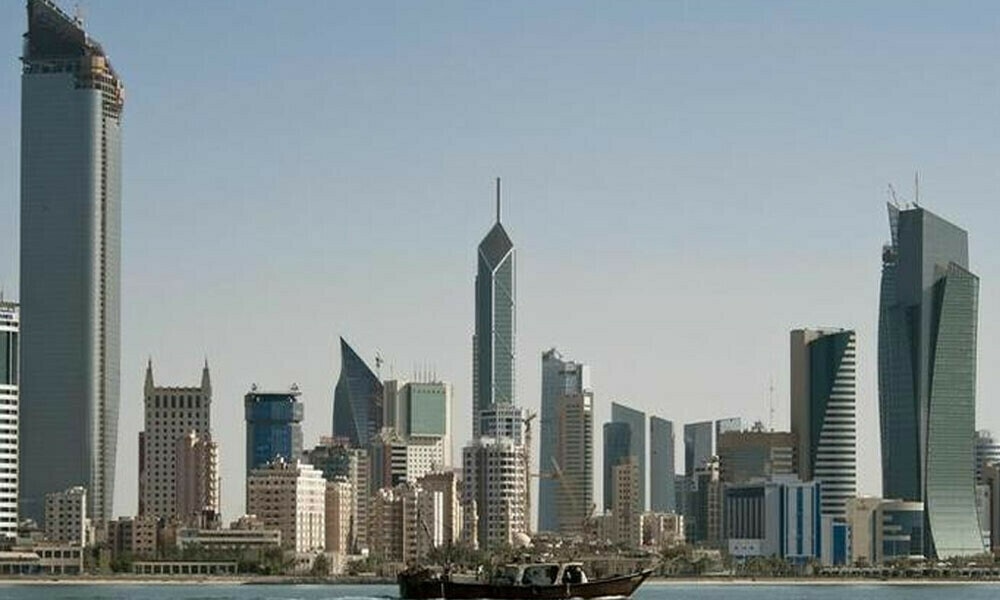

KUWAIT CITY: Kuwait recorded its first surplus in nine years for the 2022-2023 fiscal year which ended in March, the finance ministry said on Wednesday, crediting last year’s surge in oil prices. The Gulf emirate, whose revenues rely heavily on hydrocarbons, closed its fiscal balance with a surplus of $21 billion, the ministry said.
“The final account of the state’s financial administration records an actual surplus for the first time in nine years,” the ministry said in a statement on its website. More than 92 percent of revenues came from oil after prices surged following last year’s Russian invasion of Ukraine.
Oil revenues for the fiscal year which started in April 2022 stood at $87 billion, a 64 percent increase from the previous year, the ministry said.
The average price of a barrel of oil over the fiscal year stood at $97.1, an increase of 21.4 percent compared to the previous year. Output was 2.7 million barrels per day. Revenues for the current fiscal year are expected to fall due to a decline in oil prices. The draft budget for the 2023-2024 fiscal year — published in January — was calculated based on a price of $70 per barrel.
The 2023-2024 draft budget projects a growing deficit, with total revenues expected to drop to around $63.8 billion.
Kuwait, which borders Saudi Arabia and Iraq, is home to seven percent of the world’s crude reserves. It has little debt and one of the strongest sovereign wealth funds in the world.
However, it suffers from constant stand-offs between elected lawmakers and governments installed by the ruling family, which maintains a strong grip over political life despite a parliamentary system in place since 1962.
The political instability, which has seen seven general elections held in little more than a decade, has spooked investors and stymied economic reforms.
Kuwait’s fifth government in less than a year took the oath of office last month after the latest election returned an opposition-controlled parliament.























Comments
Comments are closed for this article.