



OTTAWA: Canadians paid 5.2 percent more for goods and services in February than a year earlier, led by soaring food prices, the national statistical agency said Tuesday.
Beating analysts’ forecasts, this followed inflation of 5.9 percent in January.
For the second month in a row, Statistics Canada said the year-over-year deceleration – the largest since April 2020 – was due to what it called a “base-year effect.”
Inflation could break further records, clock in above 34%: report
That means prices spiked in February 2022 and were now down or rising more slowly relative to last year’s big uptick.
The agency said price increases for groceries remained in the double digits for a seventh consecutive month in February, amid bad weather in growing regions and higher input costs such as animal feed, energy and packaging materials.
Shelter costs rose at a slower pace, amid a “general cooling” of the housing market.
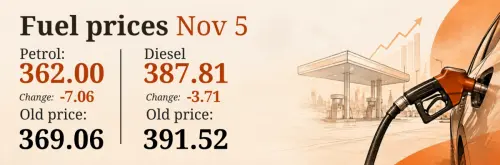
Gasoline prices, meanwhile, fell.
Although February’s headline inflation came in lower than expected, “underlying price pressures remained hotter than the central bank would like,” Desjardins analyst Royce Mendes said in a research note.
But, he added, “given the tightening in financial conditions as a result of events outside Canada’s borders, central bankers won’t be itching to move off the sidelines based on this report.”
The Bank of Canada earlier this month became the first major central bank to pause its aggressive monetary policy, holding its key lending rate at 4.5 percent as inflation eased, after eight consecutive rate increases.
The central bank noted that the economy had slowed, as hoped, but added it was prepared to resume increasing costs of borrowing if needed to reach its 2.0 percent inflation target.
Earlier, stock markets jumped, gradually recovering from last week’s plunge sparked by fears of a fresh financial crisis following the collapse of Silicon Valley Bank and Signature Bank in the United States.
The banking sector upheaval led to speculation that more central banks would hold off further hiking rates aimed at cooling inflation in order to calm jitters.

















Comments
Comments are closed for this article.