



BEIJING: China’s economy showed surprising resilience in August, with faster-than-expected growth in factory output and retail sales shoring up the recovery from the effects of COVID and heatwaves, but a deepening property slump weighed on the outlook.
The better-than-expected figures show the world’s second-largest economy is gaining some steam, after narrowly escaping a contraction in the June quarter and lifting recovery prospects slightly for the rest of the year.
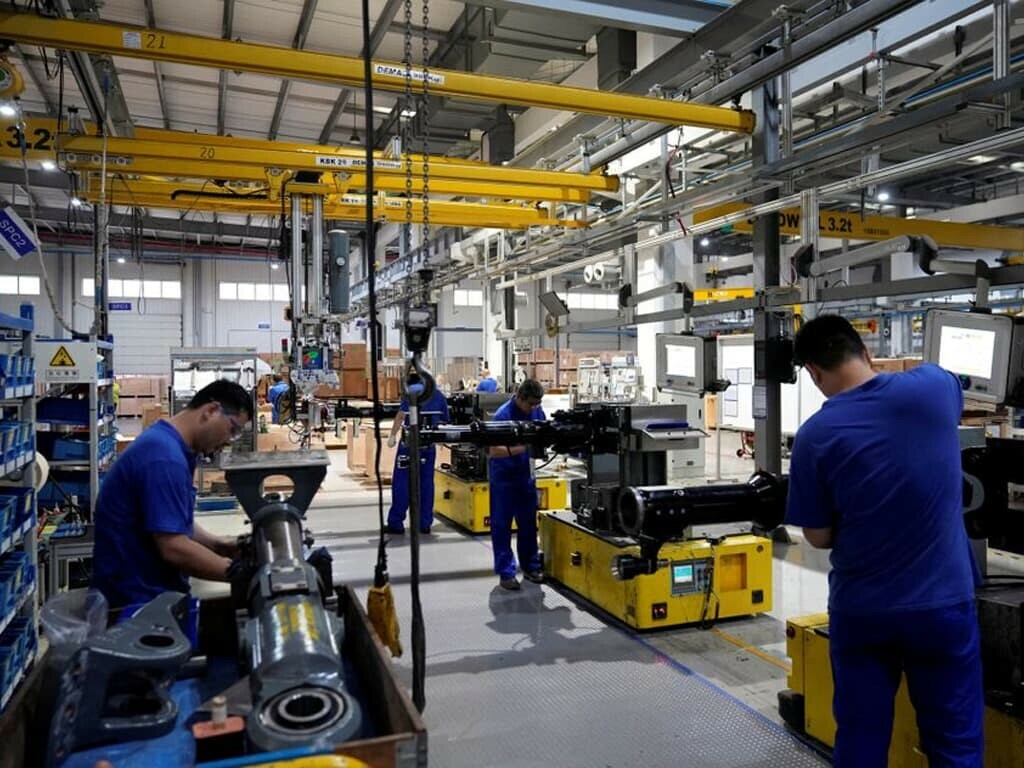
Industrial output grew 4.2% in August from a year earlier, the fastest pace since March, according to the National Bureau of Statistics (NBS).
That beat a 3.8% increase expected by analysts in a Reuters poll and July’s 3.8% expansion. Retail sales rose 5.4% from a year ago, the fastest pace in six months and also beating forecasts for 3.5% growth and the 2.7% gain in July.
“This is due to a lower base for comparison – the Delta wave was weighing on economic activity in August 2021,” said Julian Evans-Pritchard, a China economist at Capital Economics.
Although the upbeat data lifts some of the gloom hanging over the sluggish recovery, which had been clouded by weak trade data and slow credit growth, Evans-Pritchard does not expect the strength to sustain into September.
“And while the current virus wave may have peaked, activity is set to remain weak over the coming months amid the deepening property downturn, softening exports and recurring COVID-19 disruptions,” he said.
Fixed asset investment grew 5.8% in the first eight months of 2022 from the same period a year earlier, above a forecast 5.5% rise and up from January-July’s growth of 5.7%.
Property crisis
In comments following the data, NBS spokesperson Fu Linghui said China’s economic improvement in August was “hard won”, thanks to supportive policies, but warned the recovery was fragile and that global conditions remained complicated.
In contrast to the upbeat activity data, China’s property sector contracted further in August as home prices, investment and sales extended losses.
Property investment last month fell 13.8%, the fastest pace since December 2021, according to Reuters calculations based on official data.
New home prices fell 1.3% year-on-year in August, the fastest since August 2015, extending a 0.9% decline in July.
China cuts lending benchmarks to revive faltering economy
Once a key driver of economic growth, China’s property market has lurched from crisis to crisis since mid-2020 after regulators stepped in to cut developers’ excess leverage.
The property market woes have weighed on the world’s second-largest economy, with policymakers now scrambling to prevent a protracted downturn.
Property sales by floor area fell 23.0% from a year earlier in the first eight months of the year, extending the 23.1% slump in the first seven months, reflecting further fragile demand.
Amid weak consumer and business confidence, companies are wary of expanding and hiring more workers.
The nationwide survey-based jobless rate eased slightly to 5.3% in August from 5.4% in July. Youth unemployment stayed high at 18.7%, after reaching a record 19.9% in July.
Policymakers have announced over 50 policy measures since late May to bolster the economy and stressed this quarter was a critical time for policy action.
A cabinet meeting chaired by Premier Li Keqiang on Tuesday announced extended tax relief for small firms and an additional 200 billion yuan relending quota for manufacturing and social services industries.
Analysts expect more disruptions from tighter COVID-19 controls in September before the ruling Communist Party’s Congress that starts Oct. 16, where President Xi Jinping is poised to break with precedent and secure a third leadership term.
A new economic leadership team, which would likely step up next year, will inherit a range of challenges, including questions on how to unwind what many see as an unsustainable zero-COVID policy, a property crisis and rising tensions with Washington.




















Comments
Comments are closed for this article.