


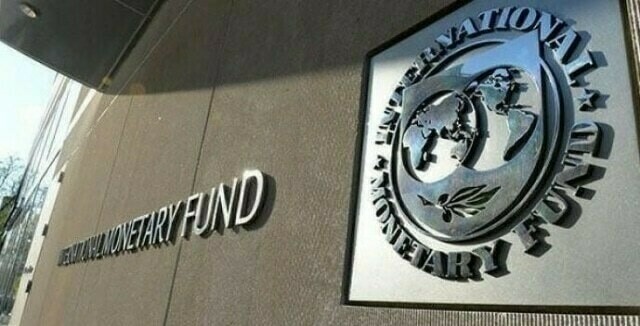
WASHINGTON: The IMF announced Thursday that after months of negotiations it reached a staff-level agreement to provide Lebanon with $3 billion in aid to help it emerge from a severe economic crisis.
The country has been battered by triple digit inflation, soaring poverty rates, and the collapse of its currency since a 2020 debt default, and officials in Beirut applauded the announcement as it will open the door to additional financial support.
The deal is “a visa stamp for donor countries to begin co-operating with Lebanon and to put Lebanon back on the global finance map,” Prime Minister Najib Mikati told reporters after the IMF announcement.
Ernesto Ramirez Rigo, who led the IMF mission to Lebanon, said that once approved by the global crisis lender’s board, the 46-month financing program will “support the authorities’ reform strategy to restore growth and financial sustainability.”
However, approval is contingent on “timely implementation of all prior actions and confirmation of international partners’ financial support,” he said in a statement.
Rigo blamed “many years of unsustainable macroeconomic policies” for the crisis that came to a head in 2020 when Lebanon defaulted on its sovereign debt for the first time in its history.
The Lebanese pound has lost about 90 percent of its value on the black market and four out of five Lebanese now live below the poverty line, according to the United Nations.
The situation has been exacerbated by soaring inflation, the Covid-19 pandemic and the war in Ukraine, as well as the August 2020 port of Beirut explosion.
IMF must condition Egypt loan to protect poorest, HRW warns
“Lebanon is facing an unprecedented crisis, which has led to a dramatic economic contraction and a large increase in poverty, unemployment, and emigration,” Rigo said, who stressed that the program will support increased social spending.
‘In Lebanon’s best interest’
The aid would be released under the global lender’s Extended Fund Facility but only after the parliament in Beirut approves a 2022 budget and a new bank secrecy law to fight corruption.
It also will require cabinet approval of a debt restructuring plan, with “sufficient creditor participation to restore debt sustainability and close financing gaps,” Rigo said.
Officials “expressed their strong commitment to carry out this reform program and sustain decisive implementation during the upcoming parliamentary and Presidential elections,” Rigo said.
Mikati agreed that “these reforms are in Lebanon’s best interest,” and said they will be fully implemented.
In a joint statement with President Michel Aoun, he said the IMF deal will help “to revive Lebanon and put it on the path of recovery and solutions.”




















Comments
Comments are closed for this article.