


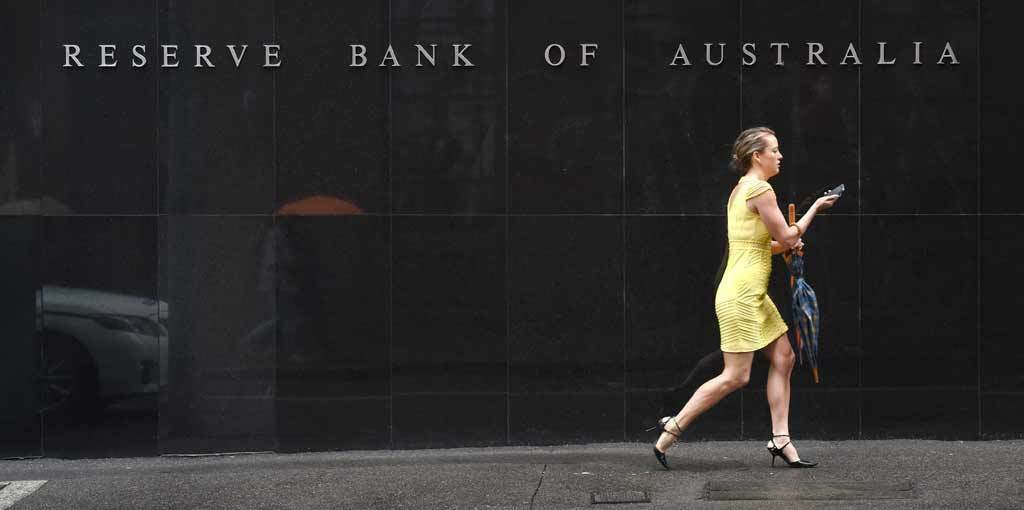

SYDNEY: Australia's central bank left interest rates at a super-loose 0.1% on Tuesday and stuck with its bond buying plans, resisting pressure to follow its US counterpart in signaling an earlier winding down of stimulus.
Wrapping up the last policy meeting of the year, the Reserve Bank of Australia's (RBA) Board noted the emergence of the Omicron variant, but was confident it would not derail what has been a rapid economic recovery.
Crucially, while inflation had picked up it was still lower than in many other developed nations and likely to rise only gradually given the inertia evident in wages growth.
"The Board is committed to maintaining highly supportive monetary conditions to achieve its objectives," said RBA Governor Philip Lowe. "This is likely to take some time and the Board is prepared to be patient."
The central bank had surprised many last month by dropping a commitment to keeping bond yields low, so there was some speculation it could shift again by flagging an early end to its bond buying campaign.
The US Federal Reserve wrongfooted markets last week by opening the door to a quicker tapering of its asset buying, and thus an earlier hike in interest rates.
Instead, the RBA Board stuck with plans to reconsider its bond purchases in February when it will hold A$350 billion ($246.51 billion) of Australian government debt.
Most analysts assume the Board will halve its buying to A$2 billion ($1.41 billion) a week and cease by mid-year, though there was also a risk it could just stop altogether in February.
The RBA was upbeat on the economic outlook as high vaccination rates allowed the lifting of coronavirus lockdowns.
The labour market is recovering far faster than expected with payrolls in October higher than before the lockdowns began to bite in June and firms complaining of not enough workers.
Job advertisements surged 7.4% in November alone, to reach their highest in more than 13 years.
Retail sales have rocketed higher as consumers were set free of lockdowns, and there is plenty to spend after months of forced frugality.
CBA chief economist Stephen Halmarick estimates around A$240 billion in excess savings was amassed during the lockdowns, pointing to a bumper Christmas shopping season.
Using electronic card sales data combined with Google search terms, CBA estimates household spending intentions climbed 2.1% in November, from the previous month, to recover all the ground lost since the start of the pandemic.
Booming house prices have added to potential spending power, with the Australian Bureau of Statistics estimating values grew A$1 trillion in just the six months to September.


























Comments
Comments are closed for this article.