


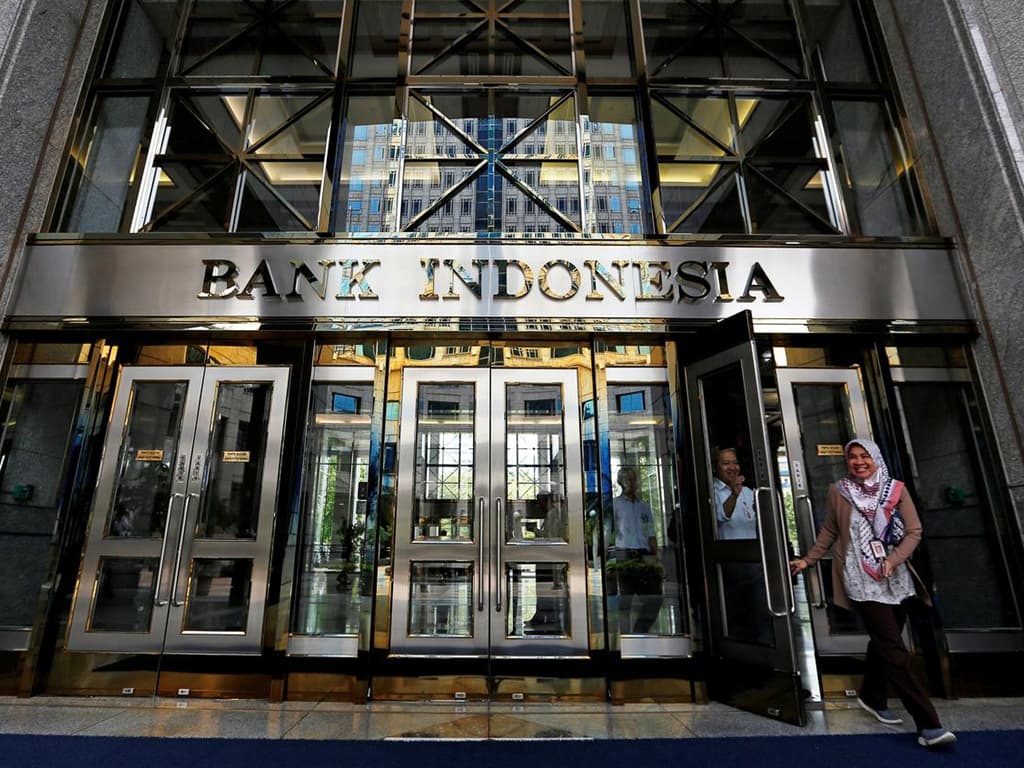

JAKARTA: Indonesia's central bank kept interest rates at record lows on Thursday to support the country's economic recovery from the pandemic, after growth disappointed in the third quarter due to a deadly COVID-19 wave in July.
The decision was in line with the need to keep the rupiah currency stable, said Bank Indonesia (BI), as major central banks around the world move to tighten monetary policy.
BI left the benchmark 7-day reverse repurchase rate unchanged at 3.50%, where it has been since February, as expected by all economists surveyed by Reuters. It also kept its two other policy rates steady.
But BI sounded upbeat about the economic outlook, expecting activity to pick up in the fourth quarter and in 2022 compared to this year. BI previously predicted growth of 3.5% to 4.3% this year.
Southeast Asia's largest economy grew by a slower-than-expected 3.51% in the third quarter as restrictions to control rising COVID-19 cases weighed on activity, with robust exports the only bright spot, recent data showed.
But some of those coronavirus curbs have been relaxed since late August, and BI said improved consumption and robust exports would underpin growth in the final quarter of the year.
Asian FX rise on Xi-Biden talks, yuan hits 5-month peak
BI has reduced interest rates by a total of 150 basis points and launched a quantitative easing programme to help the economy withstand the fallout of the pandemic.
Analysts in the Reuters survey expected BI's next interest rate move to be a rise in the final quarter of 2022, around the time when the US Federal Reserve's hiking cycle is expected to get underway.
Exports from the resource-rich country have been surging on the back of elevated commodity prices and this has made the rupiah one of emerging Asia's best performing currencies so far this year.
But the rupiah is still down about 1.3% so far in 2021, having fallen earlier this year on expectations of Fed tapering.
Analysts have said Indonesia's improved external balance puts it in a better position to withstand any fallout from the Fed's plan to reduce its bond purchases from this month versus in 2013, when a Fed tapering announcement hit the rupiah hard.


























Comments
Comments are closed for this article.