



May you live in interesting times – so goes a Chinese proverb. Well, times they are interesting, indeed. Geopolitics has been in a lot of flux lately. By the time 2021 ends, it may turn out to be one of the most consequential years in recent human history, and not just due to Covid-19 that is reported to have affected life expectancy the most since the end of World War II. A recap is in order for 2021.
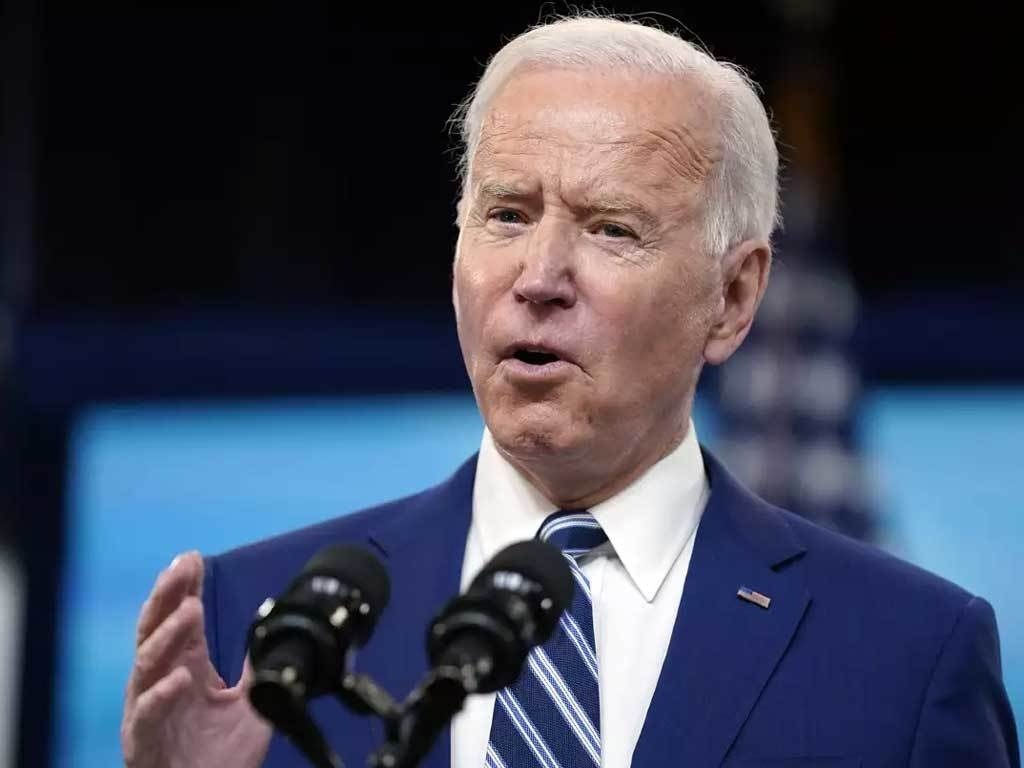
Joe Biden replacing Trump in 2021 produced a sigh of relief for many in the US and abroad, but things seem to be going awry for the new President. The disorderly American withdrawal from Afghanistan has emboldened rivals of the Western bloc. The West itself is feeling a trust deficit, what with France on the outs over the AUKUS submarine deal. Chancellor Merkel has left the scene and Europe is left leader-less after a long time. The Taliban takeover has turned back the clock in Kabul, alarming even Muslim-majority countries about something similar happening at home.
Meanwhile, President Biden is busy assembling a coalition of democracies in an attempt to counter rising authoritarianism abroad. Strange times, as the US itself faces growing right-wing extremism at home. There are echoes of a new cold war, this time with China, as the frost in US-Sino bilateral relations risks trade and investment flows between the two. Many of Trump’s aggressive measures have been retained by Biden, who is lining up allies behind US policy to contain Chinese influence.
The above events have the potential to exacerbate Pakistan’s chronic economic and security challenges. Considering the new situation in Afghanistan, Islamabad is trying to secure hard-won peace and keep its economy shielded from a security fallout. But terrorist incidents are on the rise, which is not helpful for policymakers trying to persuade foreign investors, including those from China. Growing macroeconomic imbalances and high inflationary expectations are sapping the spirit.
In that context, it was a welcome development last week, when on the sidelines of the UN General Assembly sessions, Pakistan was able to bring the US (along with Russia and China) on the same page regarding future approach vis-à-vis Afghanistan. Initial reports suggest that these four countries (a ‘quad’ of sorts) have agreed to cooperate on humanitarian support response to Afghans while keeping the options open regarding diplomatic recognition for the Taliban regime, in hopes that an inclusive government can come about in the future.
Keeping engaged, especially with the US and EU, is vital for Pakistan’s economic interests, as a significant amount of its exports and remittances originate from the US and Europe. Besides, it helps if multilateral forums (read IMF and FATF) are allowed to evaluate Pakistan’s progress on merit rather than geopolitical factors. The major powers seem to have shared humanitarian and counter-terrorism goals in Afghanistan, and Pakistan’s support on both counts is critical for the global community. In the end, foreign affairs are mostly transactional in nature – get used to it and try to make the most of it!























Comments
Comments are closed for this article.