




ISLAMABAD: Experts, on Saturday, stressed upon the need for improving awareness about saving water, building reservoirs and also preventing its pollution to avoid situations like in Karachi.
Among others, Khan Faraz, an expert from Hayatabad Peshawar informed the media, here on Saturday that Pakistan is today categorized as a water-scarce country, because only 1,000 cubic meters of water is available per day per person. Global experts fear it will reach acute water scarcity by 2025, when 500 cubic meters may be all that is available.
The climate change is also affecting rain and weather patterns in Pakistan, while the increased demand for food, means that agricultural water supply has to be maintained with agriculture consuming nearly 95 percent of the water in Pakistan. Also, waterborne diseases are a common feature and the biggest cause of death notably for children under five years of age.
He said the World Bank has warned that Pakistan is facing a severe groundwater crisis due to the lack of a reliable system for measuring groundwater extractions and their impact on the resource base.
In a report, the international donor agency has summarized that in the face of rising population, the effects of climate change and the considerable natural lag in groundwater response to management interventions, the failure to tackle these challenges is already impairing national water security and drinking water quality.
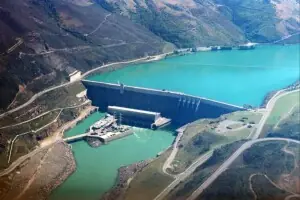
There is a need for better water storage, the building of more reservoirs, and more productive use of water are steps we can take to improve this dire situation. Moreover, there a drive to save water would have to be carried out across the country.
The consequences of not having enough water are known well to the people of big cities especially Karachi, he maintained.
Furthermore, there is an obvious need to improve awareness about saving water and also preventing its pollution, Khan Faraz added.
Copyright Business Recorder, 2021




















Comments
Comments are closed for this article.