


Tunisia engineers reach for stars with satellite launch
- That made Tunisia the sixth African country to manufacture its own satellite and see it reach space.
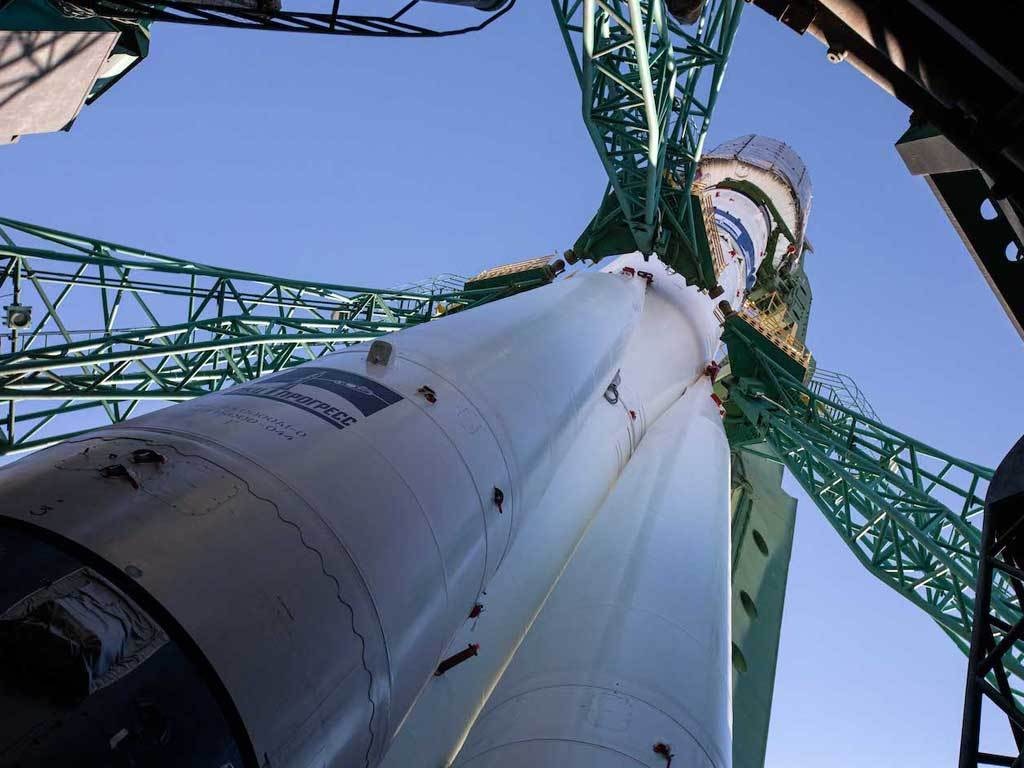

TUNIS: Tunisia celebrated the launch Monday of its first domestically made satellite, hoping it would inspire young engineers to reach for the stars at home rather than join those emigrating overseas.
Challenge-1, built by a team from telecommunications giant TelNet, blasted off along with 37 other satellites aboard a Russian Soyuz rocket from the Baikonur cosmodrome in Kazakhstan on Monday.
That made Tunisia the sixth African country to manufacture its own satellite and see it reach space.
"It's a source of pride to have taken part in this project," said Khalil Chiha, 27, who trained at Tunisia's National Engineering School in the central city of Sfax.
"Working in the aeronautical or aerospace sector is a dream."
Tunisia had been struck by an economic crisis and skyrocketing unemployment even before the coronavirus pandemic, and recent months have seen growing anti-government protests.
Several thousand engineers leave each year to seek work abroad.
Many of the Challenge-1 engineers were educated in Tunisia and are aged between 25 and 30 years old.
Officials hope the success will show young people there is a future for them in the North African nation.
The Challenge-1 is set to collect data including temperature, pollution and humidity readings over areas without internet coverage, as part of efforts to gather such information from areas beyond terrestrial phone networks.
"We are very emotional, after three years of intense work," said engineer Haifa Triki, 28, who followed the flight live from Tunis.
"We made a lot of sacrifices, but it was worth it".
President Kais Saied, joined engineers and journalists to watch the launch live on screen at TelNet headquarters in Tunis.
"Our real wealth is the youth who can face obstacles," Saied said, stressing that Tunisia lacks not resources but "national will" amid its dire social and political crises.
"We are proud of our youth," he said.
The Challenge-1 team was supported by expatriate Tunisian engineers, one of whom took part in NASA's Mars Perseverance mission.
"It really is a dream come true," TelNet project manager Anis Youssef told AFP, ahead of the launch.
While the aerospace industry is in full development in the Arab world, and 11 countries have launched satellites across Africa, making a homemade satellite is a harder task.
"The club of those who manufacture them is quite closed," said Tunisian aerospace engineer Ahmed El Fadhel, based in Belgium and president of Tunisian Space Association, a collective of scientists, experts and students interested in space technology.
TelNet intends to launch within three years, in partnership with other African countries, a network of over 20 satellites.
"This paves the way for the opening of an innovative service for the region in a rapidly expanding field," said TelNet CEO Mohamed Frikha.
Beyond technological progress, it marks the "opening of local job prospects for Tunisian engineers", he added.
"Job opportunities exist in Tunisia. The problem is to make young engineers want to stay."















Comments
Comments are closed for this article.