


Rupiah up, shares down as Bank Indonesia stands pat
- Taiwanese shares close at a record high.
- S. Korean stocks extend gains to a third day.
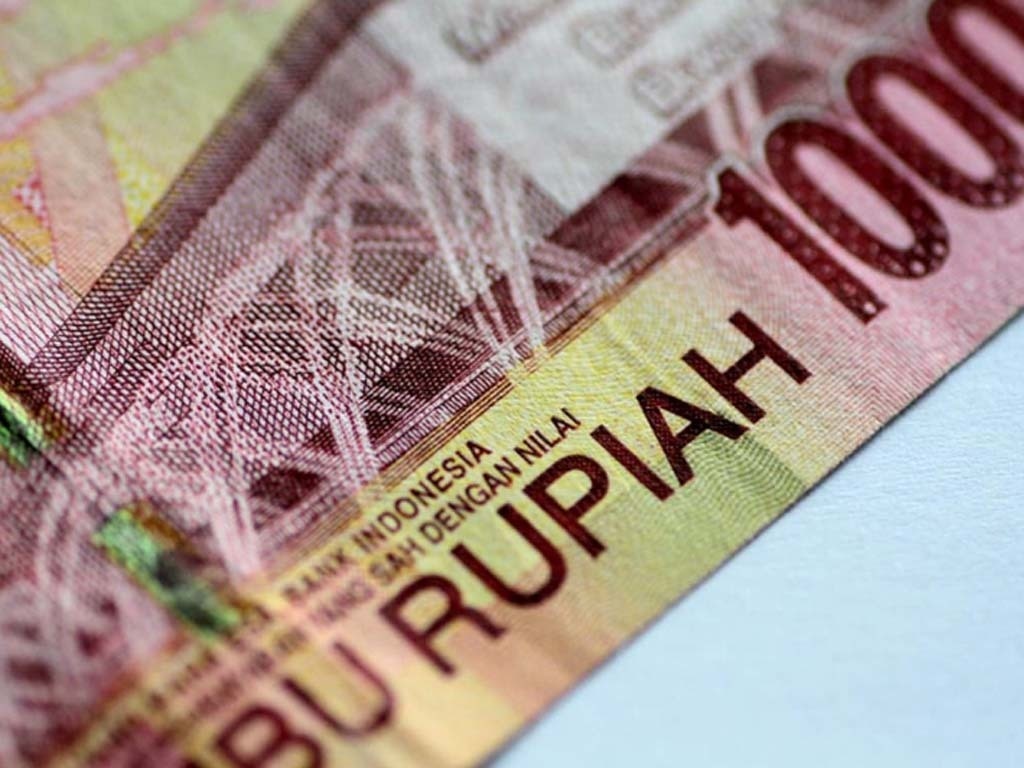

Indonesia's rupiah edged higher and shares fell after the country's central bank left interest rates unchanged, while South Korean and Taiwanese shares surged on strong export readings from both the tech-reliant economies.
Bank Indonesia (BI), which had cut borrowing costs five times last year to support a pandemic-hit economy, left its key policy rate at a record low of 3.75% and said the rupiah was still undervalued and had room to strengthen.
A majority of analysts in a Reuters poll had expected the central bank to keep rates steady to maintain an attractive interest rate differential on its high-yielding debt, given the recent rise in US bond yields.
"The string of rate reductions in 2020 have yet to bear fruit," said Nicholas Mapa, a senior economist at ING.
"We believe BI will remain open to easing policy further in the near-term should inflation remain subdued with IDR stability likely the main decision point."
The rupiah was up 0.3% after the decision, while shares in Jakarta traded 0.3% lower.
Most other emerging Asian stock markets and currencies strengthened as optimism about the new US administration's hefty spending plans drove buying of riskier assets and dented the dollar's safe-haven appeal.
The Malaysian ringgit and South Korean won advanced 0.3% and 0.2% each against the greenback.
South Korean shares extended gains to a third straight session, while Taiwanese stocks closed up more than 2% at an all-time high.
Data showed South Korea's exports expanded at a much faster pace in the first 20 days of January, and Taiwan's export orders hit a record high in 2020.
South Korea and Taiwan have witnessed a strong rebound in exports as the pandemic-driven global shift to remote work spurred demand for memory chips used in laptops and servers. The KOSPI and Taiwan stocks have risen more than 9% each this month.
"If global fiscal stimulus and the contact-free digitalisation trend continues post-COVID, Korea's IT, semiconductor and auto exports could outperform market expectations," analysts at Standard Chartered wrote in a note.
Indian shares jumped to a record high and the benchmark Sensex scaled the 50,000 level for the first time, boosted by heavyweight Reliance Industries after the country's stock exchanges approved a $3.4 billion deal with the Future Group.




















Comments
Comments are closed for this article.