


Argentine farmers consider lifting strike under new corn export policy
- The government says it is trying to control domestic food prices amid a long recession and the COVID-19 pandemic.
- We need more details from the government to clear up the doubts we have about the new policy and then decide whether we will lift the strike.
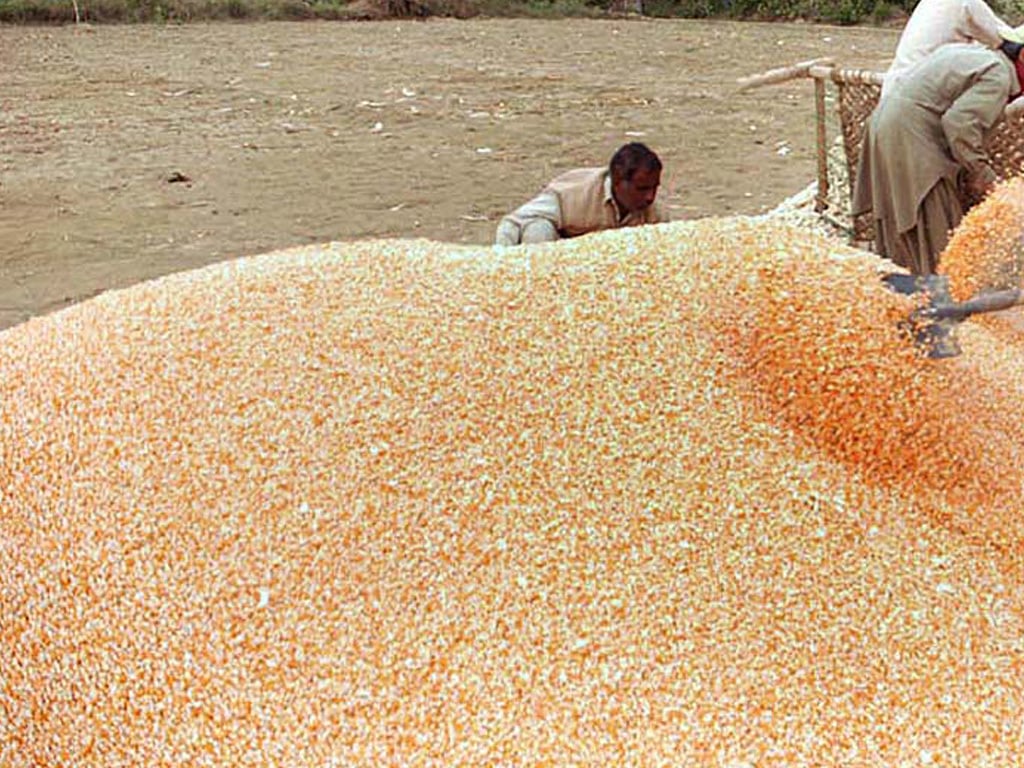
BUENOS AIRES: Argentine farmers may lift the strike they started at midnight as they evaluate a policy announced on Monday that places a temporary 30,000-tonne daily cap on export sales.
The new policy replaces the government's previous plan to suspend international corn shipments from the world's No. 3 supplier until March. That original policy was announced on Dec. 30. Farmers hated the proposal and went on a sales strike that started at midnight on Sunday.
The government says it is trying to control domestic food prices amid a long recession and the COVID-19 pandemic.
Farmers and export companies were against that plan, saying it would lead to cuts in investment, production and inflow of much-needed export dollars as the central bank tries to shore up its foreign currency reserves. growers and exporters were hunkered down on Monday evaluating the new policy.
The president of the Argentine Agrarian Federation (FAA), Carlos Achetoni, told local radio AM 750 that it was considering lifting the sales strike that farmers had started at midnight to protest the original proposed export suspension.
"We need more details from the government to clear up the doubts we have about the new policy and then decide whether we will lift the strike," Achetoni said. It was unclear, he said for example, how long the new daily export limit would last.
The CIARA-CEC chamber of Argentine agricultural export companies had no immediate comment on the new corn policy.
The agriculture ministry said the new 30,000-tonne daily limit on corn exports would guarantee domestic supply and cushion local prices against price fluctuations in international markets. This, it said, provided enough stability to allow it to call off the export suspension.
The cattle and poultry industry in Argentina uses corn to fatten chickens and cows. The government had initially hoped that by keeping more corn in the country, the cost of feeding livestock would fall, increasing domestic food supplies.




















Comments
Comments are closed for this article.