


Argentine peso at new lows on deadline day; Brazil's real jumps 2pc
- A deal is key to pulling Argentina out of default and reviving a country already in its third straight year of recession.
- Focus is now on the (September meeting) if Fed undertakes an active approach to make up for past inflation misses or to demonstrate its dovish commitment via more asset purchases.
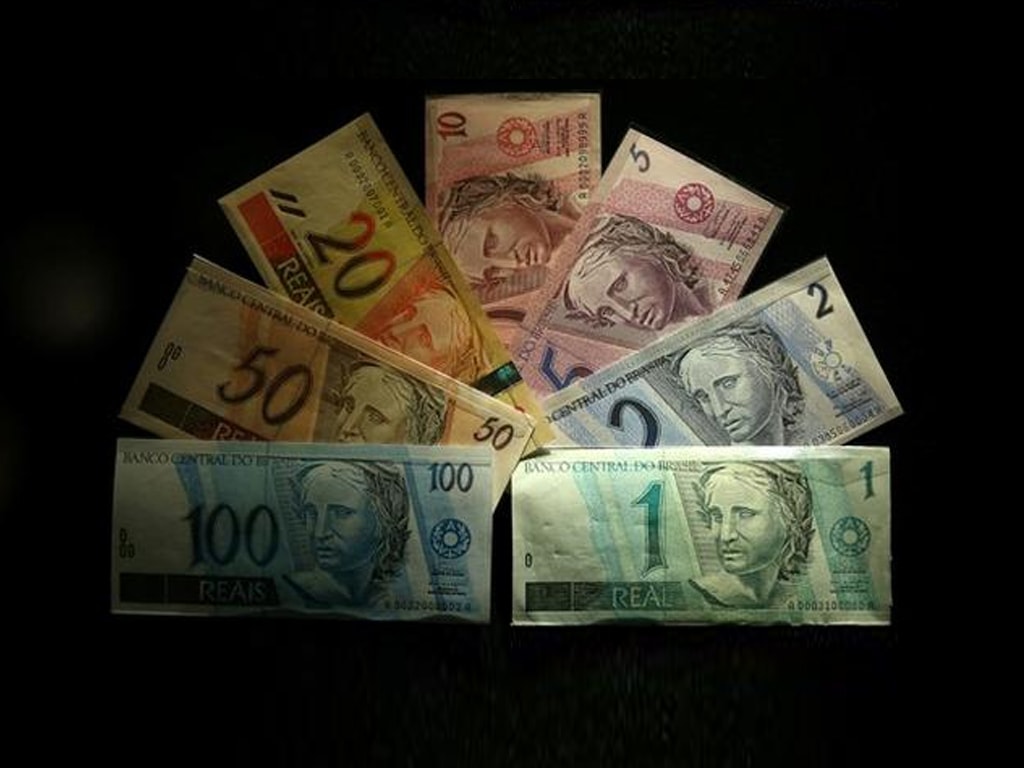

Argentina's peso slipped to new lows on Friday, when bondholders are to decide whether to accept the country's $65 billion restructuring proposal, while other Latin American currencies surged against a sliding dollar, with Brazil's real climbing 2%.
Argentina's heavily controlled peso opened at 74 to the dollar.
After four months of tense debt talks, multiple deadline extensions and amendments, the main three creditor committees holding a large chunk of the bonds backed a deal earlier this month, bolstering confidence that the government will get the required level of support to allow a full deal to go ahead.
A deal is key to pulling Argentina out of default and reviving a country already in its third straight year of recession.
As the dollar nursed losses after the US Federal Reserve signaled lower interest rates for longer, riskier currencies rallied as the rate differential makes higher-yielding emerging market currencies more attractive.
"Focus is now on the (September meeting) if Fed undertakes an active approach to make up for past inflation misses or to demonstrate its dovish commitment via more asset purchases, forward guidance or even introduction of new policy tools to "manage" yields, wrote XF strategists at Maybank.
Brazil's real led gains in Latam after the country's National Monetary Council approved the immediate transfer of 325 billion reais ($58.3 billion) to the Treasury from the central bank to ease debt liquidity strains.
Amid concerns that Brazil will overshoot its spending cap, local reports said Brazil's President Jair Bolsonaro wants to divert 6.5 billion reais ($1.2 bln) of the federal budget into the "Pro-Brazil" infrastructure and regional development program, more than the economy ministry had expected.
Investors were also eyeing the Brazilian government's plan to temporarily remove import tariffs on rice, corn and soybeans. Brazil's partners in South America's Mercosur trade bloc voiced concerns that they will lose out, mainly to the United States.
Mexico's peso surged 1.2%, and looked to post its biggest one-day gain in three weeks, pulling it into the black for the week.
Chile's peso pared some gains after data showed that amid coronavirus lockdowns the country's pace of unemployment rose the most in this decade.
Ahead of a central bank interest rate decision on Monday, Colombia's peso was on track to post its best session in almost one month. A Reuters poll showed the central bank will deliver its last cut in this cycle, by another 25 basis points to a historic low of 2%.


























Comments
Comments are closed for this article.