



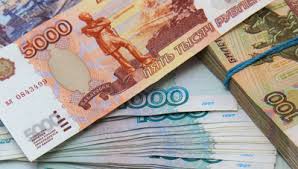
 LONDON: More problems related to the drop in oil prices pushed Russia's rouble to a record low on Thursday, as mixed data from China and gains by the dollar squeezed emerging market stocks and currencies from both sides.
MSCI's main emerging market index was on course to break a four-day run of gains. A 1 percent decline in Chinese shares and a 1.6 percent drop by Russian stocks set the day's course.
Moscow's troubles were aggravated by news that Russia's top oil producer, Rosneft, had asked for more than $50 billion in state aid to help pay its debt. That pushed the battered rouble to a new low of 41.58 against the dollar and close to one against the euro.
It has lost more than 20 percent since the start of July.
"The market's reaction is understandable because the roubles for Rosneft, taken from the National Welfare Fund, could be spent to purchase foreign currency to repay its debts," Dmitry Polevoy, chief Russia economist at ING Bank, wrote in a note.
"We believe that the company will not receive all the funds, because if that were happen, the market (and not only the forex market) and investors would get yet another signal about the quality of governance in the country."
The mood elsewhere in eastern Europe was slightly brighter after PMI data showed euro zone businesses - eastern Europe's biggest customers - have performed better than expected this month, although one reason was lower prices.
Polish stocks on the WIG 20 were up 0.4 percent.
Hungarian equities continued to fall, dropping 1.1 percent, as plans for a new tax on internet providers weighed on the market.
Turkey's lira gained before the central bank's monthly rate-setting meeting. All 15 economists polled by Reuters expect the bank to leave its main rate at 8.25 percent, but traders are watching for signs rates will be cut in the coming months as the drop in oil holds down inflation.
BURNING OIL
Oil prices were steadier on Thursday at just below $85 a barrel, after plunging on Wednesday when the United States reported a second big weekly jump in crude stockpiles.
The recent drop in crude and other commodities has taken a heavy toll not only on Russia, but also on Venezuela and a number of African and Middle Eastern countries that make much of the money from selling them. Saudi Arabia's main bourse was down another 1 percent on Thursday, after losing 8 percent over the last month.
"The OPEC meeting in late November could be the biggest in decades," said David Stubbs, a global strategist at J.P. Morgan
"if they don't cut production there, you know that something is really up and we could see a complete unravelling of the oil market as we know it. The ramifications of that would be huge."
In Asia, South Korea's won led losses among emerging Asian currencies as US Treasury yields and the dollar rose after data on Wednesday showing an uptick in US inflation.
Indonesia's rupiah eased when President Joko Widodo failed to finish naming his cabinet on Wednesday.
Asian stock markets had drifted lower overnight, unimpressed by a purchasing mangers survey out of China.
The results were above forecast but still showed the world's second-largest economy slowing.


























Comments
Comments are closed for this article.