



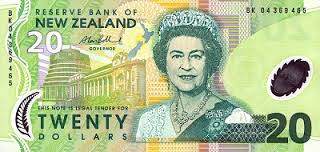
 WELLINGTON/SYDNEY: The New Zealand dollar skidded to two-month lows on Wednesday following another decline in dairy prices and a mixed jobs report, dragging the Australian dollar lower.
The kiwi fell as far as $0.8425, from around $0.8525 at the end of the local session on Tuesday.
It was last at $0.8428. Milk prices fell 8.4 percent in dairy giant Fonterra's latest auction, taking the decline to 41 percent since the peak in February and raising risks of a further cut to payouts to New Zealand farmers.
Dairy is the country's largest export earner and falling milk prices are one reason the Reserve Bank of New Zealand (RBNZ)recently stepped up its calls for a weaker currency.
The kiwi dollar was knocked lower after labour data showed slack slowly being used up in the jobs market with the jobless rate at five-year lows and a slight pick up in wage growth.
Taken together, the various reports did not alter market expectations that the RBNZ would stay on the sidelines before resuming rate rises at the end of the year.
"We retain our view that the RBNZ will next lift the OCR (official cash rate) in December," said ASB chief economist Nick Tuffley.
"The risks to that view are (it will be) later rather than sooner, mainly in the light of the continued fall in dairy prices and still-firm NZ dollar."
The kiwi has fallen 4.7 percent since reaching a peak of $0.8839 last month. Solid support is seen at $0.8400 with resistance starting at $0.8460.
Its weakness rippled across the board, with the kiwi dipping to two-month lows against the yen and the euro.
The Aussie dollar hit a one-week high against the kiwi to be last at NZ$1.1026, while the trade weighted New Zealand dollar index was down 0.9 percent to its lowest since early June.
Kiwi selling weighed on the Australian dollar which nudged down to $0.9294, not far from a two-month low of $0.9275 touched last week.
The Aussie had already come under pressure overnight after upbeat US data bolstered expectations of solid economic growth, lifting the greenback broadly.
The Aussie had set a high of $0.9344 on Tuesday after the Reserve Bank of Australia (RBA) disappointed Aussie doves by refraining from actively talking down the currency.
A break of $0.9275 would target $0.9205/10.
The Aussie also lost ground against the yen at 95.38, from 96.11 last week.
The RBA, as expected, left its cash rate unchanged at a record low of 2.5 percent at its monthly policy meeting Tuesday, reiterating its outlook for a period of steady policy as the economy copes with a cooling mining boom.
The Reserve Bank will release its quarterly statement on monetary policy on Friday with markets expecting it might trim its near-term inflation forecasts.
Australian government bond futures eased with the three-year bond contract down one tick to 97.290.
The 10-year contract shed 3 ticks to 96.505 in a bearish steepening of the curve.
New Zealand government bonds were modestly softer, sending yields 1.5 basis points higher.




















Comments
Comments are closed for this article.