


Subsidies to ease power shortages: China

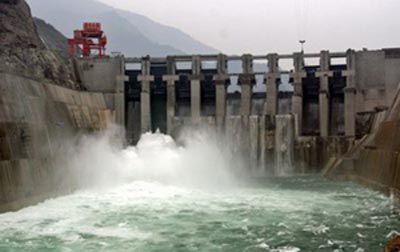 BEIJING: China's Chongqing will provide subsidies to power generators and grid operators in another effort to reduce power shortages in summer following the central government's move to raise power prices in the municipality and some other Chinese provinces.
These moves, and some other potential ones as well as recovering hydro levels, suggest an expected summer power crunch may be less severe than anticipated, though they could mean higher demand for coal and gas produced at home and abroad.
The Chongqing government will give out 1.2 billion yuan ($185 million) in subsidies to support coal and power purchases and the detailed subsidy plan will be unveiled late this month, the State Grid News reported on Thursday.
Power shortfalls in Chongqing are now expected to reach up to 2 gigawatts (GW) during the period from July to September, versus an estimated peak load of 12 GW, the newspaper report said. The newspaper is run by the State Grid Corp of China (SGCC), the country's dominant power distributor.
Chongqing Electric Power Corp, a unit of SGCC, had previously forecast the local power deficit could be as high as 2.1 GW.
China Southern Power Grid Corp said power deficits in the five provinces it services were expected to ease to 3 GW in July and August from 8 GW in June. It did not explain.
Calls to the grid's spokesman on Wednesday and Thursday were not answered.
China is expected to face the worst summer power shortages in years as coal-fired power generators, the mainstay of power supply, are stacking mounting losses due to rising coal costs and rigid power price caps.
Meanwhile, the increase in electricity demand remained fairly strong despite a moderation in economic growth.
To help money-losing power generators and to stave off spreading power shortages, the National Development and Reform Commission (NDRC), the country's top pricing agency, raised feed-in tariffs that coal-fired power plants sell to grid operators in 12 provinces from April 10 and another three provinces from June 1.
The authorities also lifted retail power prices that grid operators charge non-residential users in 15 provinces by about 3 percent from June 1, effectively passing on most of the increase in grid feed-in tariffs to consumers.
On-grid power prices for most gas-fired power generators were also increased.
The NDRC said that it would take comprehensive measures to encourage coal imports and urged domestic miners to boost coal output to tackle the crisis, though it did not say whether it would cut value-added tax on imported coal, which local media reports said was being considered.
Copyright Reuters, 2011















Comments
Comments are closed for this article.