



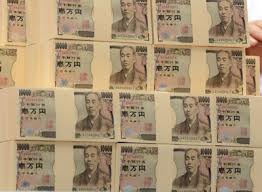
 TOKYO: The yen sank in Asia Monday as a generally upbeat outlook led dealers into higher-yielding investments, with the euro hitting a four-year high thanks to upbeat German data.
The greenback changed hands at 101.64 yen in Tokyo morning trade, well up from 101.23 yen in New York Friday afternoon. The greenback last week topped 101 yen for the first time since July.
The euro was trading at 137.68 yen -- its highest since October 2009 -- against 137.21 yen, while it bought $1.3543 against $1.3555.
Sentiment was also giving a lift by Iran's deal with world powers on its nuclear programme, which will see an easing of sanctions on the crude oil producer.
Investors usually move out of the yen, which is considered a safe bet, and into "higher risk" currencies such as the euro when they are feeling confident in the economic outlook.
A slowdown in Japan's third-quarter economic growth has stoked speculation of further easing measures from the Bank of Japan (BoJ), weighing on demand for the yen.
On Friday, BoJ Governor Haruhiko Kuroda played down suggestions the bank's aggressive easing programme was fuelling excessive weakness in the unit, which has lost about a quarter of its value against the dollar since late last year.
"Excessive strength in the yen has been in a correction process," Kuroda said during a parliamentary financial committee session.
"I don't think there is any bubble-like, abnormal yen weakness right now in the currency market."
Also Friday the German Ifo institute's business climate index -- a key measure of the mood in the industry and trade sectors of Europe's biggest economy -- rose to its highest level in more than 18 months.
The survey, which follows data last week indicating a four-year high in German investment sentiment in November, suggests the economic powerhouse may have regained momentum in the fourth quarter, analysts said.
"Friday's November German Ifo helped buoy the appeal of the euro," National Australia Bank said.
Investors will now turn their focus to eurozone inflation data this week. Data this month showed prices rose at their slowest pace in four years in October, raising the spectre of deflation and prompting the European Central Bank to cut interest rates to a record low of 0.25 percent.
"Inflation from (the) eurozone...will gather most limelight as investors continue to wonder when, and if, the ECB will introduce further easing measures," Credit Agricole said.


























Comments
Comments are closed for this article.