


Oil prices jump as storage fills less rapidly than feared

- U.S. West Texas Intermediate (WTI) crude futures climbed to a high of $14.40 a barrel and were up 15.4%, or $1.90.
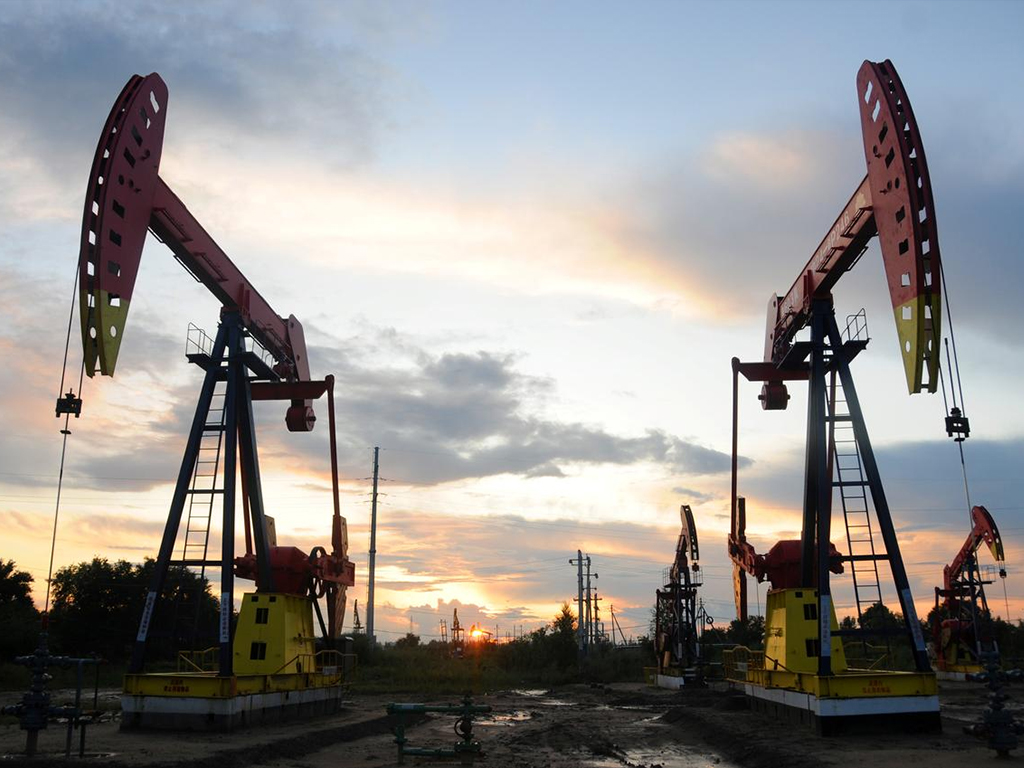 MELBOURNE: U.S. oil prices jumped on Wednesday, trimming some of this week’s losses, after U.S. stockpiles rose less than expected and on expectations demand will increase as some European countries and U.S. cities moved to ease coronavirus lockdowns.
U.S. West Texas Intermediate (WTI) crude futures climbed to a high of $14.40 a barrel and were up 15.4%, or $1.90, at $14.24 at 0233 GMT, paring a 27% plunge over the first two days of this week.
Brent crude futures rose 4.6%, or 93 cents, to $21.39 a barrel, adding to a 2.3% gain on Tuesday.
U.S. crude inventories rose by 10 million barrels to 510 million barrels in the week to April 24, data from industry group the American Petroleum Institute showed on Tuesday, compared with analysts’ expectations for a build of 10.6 million barrels.
“It’s a little bit of good news that maybe storages aren’t filling quite as quickly in the U.S. as you would have thought,” said Lachlan Shaw, head of commodity research at National Australia Bank in Melbourne.
The market will get another read on U.S. inventories when the U.S. Energy Information Administration releases weekly data later on Wednesday.
While storage is rapidly filling up, production cuts by U.S. shale producers, estimated by consultants Rystad Energy at 300,000 barrels per day (bpd) for May and June, should help slow flows into tanks. The United States is now the world’s biggest oil producer.
Regulators in the U.S. state of Texas, the country’s biggest oil producer, will hold a vote on May 5 on whether to enact output curtailments. Officials in the states of North Dakota and Oklahoma are also examining ways to legally allow output cuts.
That would add to production cuts of almost 10 million bpd agreed by the Organization of the Petroleum Exporting Countries (OPEC) and other large producers including Russia, or about 10% of global production, due to take effect from May 1.
At the same time, hopes for at least some demand recovery put a floor under oil prices, following two days of selling in June contracts by exchange-traded funds looking to avoid the extreme volatility which hit WTI last week.
“The other thing coming through is more detail and a louder groundswell towards plans for removing COVID restrictions, particularly in Europe — in countries like Spain, France, Austria and Switzerland. That’s going to see demand pick up,” Shaw said.
Credit rating agency Moody’s cut its oil price assumptions on Wednesday, seeing WTI averaging $30 a barrel in 2020 and $35 in 2021, because of a global recession weighing on fuel demand and said it expected ample oil supply in storage to keep prices low through 2021.





















Comments
Comments are closed for this article.