



 Emerging Asian currencies were mixed on Friday with easing Sino-U.S. trade tensions helping export-driven currencies but broader concerns about global recession keeping other units under pressure.
Almost all emerging Asian currencies were set to post monthly losses following a tumultuous August in which the trade war between Beijing and Washington re-escalated.
The dollar rose overnight after China's commerce ministry said both sides are discussing the next round of talks scheduled for September. U.S. President Donald Trump also said some discussions between both countries were going on.
The dollar index, which measures its performance against a basket of six major currencies, traded at 98.478 at 0600 GMT, hovering near a one-month high.
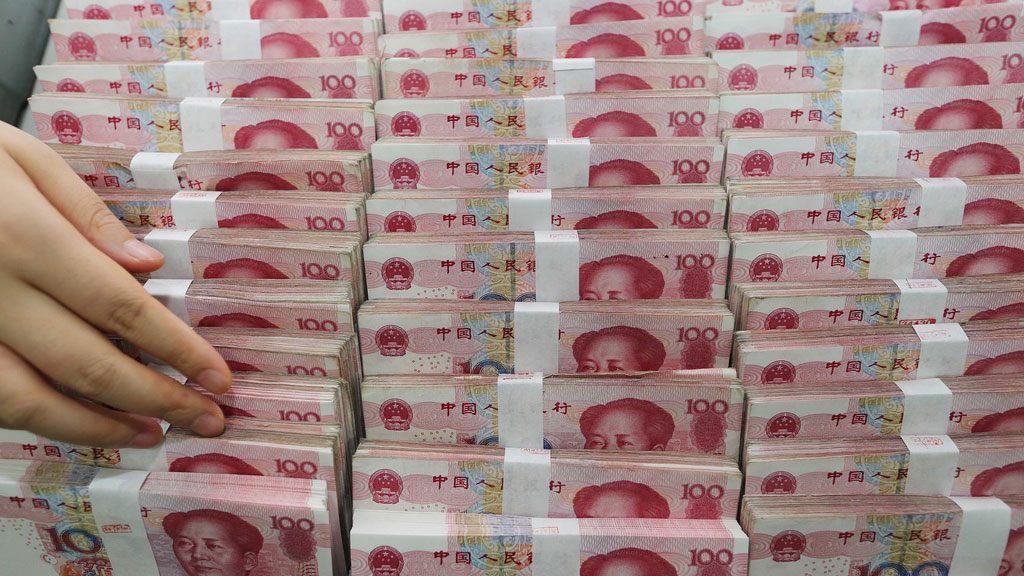
The yuan ticked 0.1% lower against the greenback despite its central bank fixing the official midpoint at a firmer-than-expected level for a fourth straight day - seen as an official attempt to slow down the currency's decline.
The yuan is set for a monthly fall of nearly 4%, which will be its biggest monthly decline since China's currency reform in 1994. It is also the worst performer for August after the Indian rupee, which is set to shed about 4.3%.
All emerging Asian currencies except for the Thai baht are poised for monthly losses.
Backed by strong foreign fund inflows and a large current account surplus, the Thai baht managed to weather the storm, set to add 0.3% this month.
Meanwhile, the dialling down of trade worries on Friday helped the trade-sensitive Korean won and Taiwan dollar post firm gains for the session.
The onshore won opened 0.5% higher, and found additional support after the Bank of Korea's decision to keep its benchmark interest rate unchanged.
While the decision came in as expected, analysts now increasingly expect the central bank to cut rates in October.
"Given the pessimism surrounding global trade flows and growth rates, we think it is unlikely the BOK may choose to wait beyond October for its next reduction in the benchmark interest rate," analysts at OCBC wrote in a note.
"It is also our view that monetary accommodation alone will not be enough to stave off this downturn and that fiscal stimulus will highly be needed if South Korea is to avert a prolonged growth slowdown," they added.
The government this week finalised the most aggressive budget spending plan since the 2008-2009 global financial crisis for next year as it aims to stave off growing threats both at home and from abroad.




















Comments
Comments are closed for this article.