


German coal imports could fall 10pc in 2019 in face of rising renewable power
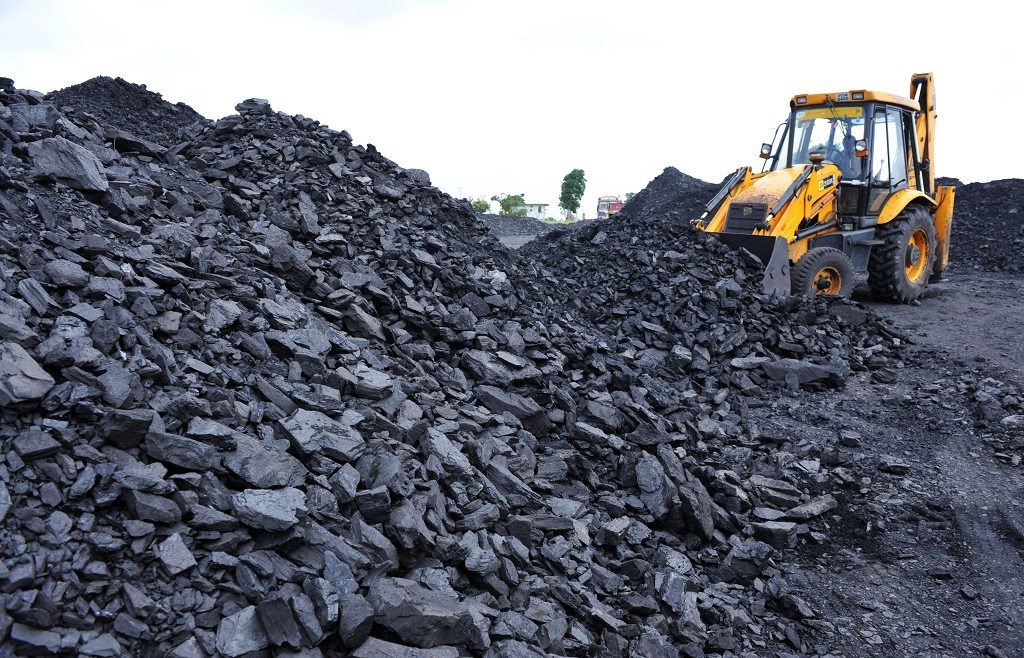
FRANKFURT: Germany's hard coal imports may fall for the fourth year in a row this year and by around 10% from 2018 levels, importers' group VDKi forecast on Thursday, citing competition from renewable energy and slack demand from steelmakers.
Germany's position as Europe's biggest coal importer has an influence on global coal trade flows and prices at landing ports.
VDKi forecast imports of between 39 million and 43 million tonnes in 2019 compared with 46.7 million in 2018, revising a January forecast for higher volumes this year, which had been based on the final closure of domestic mines.
"Our positive predictions at the beginning of the year have been revised," said VDKi managing director Franz-Josef Wodopia.
The 2018 result was down 9.1% from a year earlier, but narrowly above a full-year prediction of 45 million tonnes the importer lobby group made a year ago.
Some 69% of the coal imported by Europe's biggest economy goes to power utilities, a quarter to steelmakers and the remainder to heat providers.
Power generation based on coal declined 22.9% year-on-year in the first four months of 2019, VDKi said, because renewables benefited from favourable wind and sunshine conditions, which boosted yields.
This pushed coal power off the grid where green energy gets priority, while high carbon emissions allowances and low gas prices also worsened coal's competitive position.
Steelmakers for their part also used less coal in their processes because a mismatch between high raw materials costs and low local prices reduces their output, in contrast to expanding Asian competitors, VDKi said.
Politically, Germany's coal mining, burning and importing industries find themselves with their backs to the wall after the country in January set a date for an exit from the fossil fuel by 2038, to avoid climate harming emissions.
This will be implemented in a staggered closure schedule for generation plants and remaining domestic brown coal mines.
But VDKi said coal-to-power plants still had a role to play for some time to come, by offering secure round-the-clock electricity as a back-up for volatile renewables.
"Without us, it could either be dark or expensive," Wodopia said.
In contrast to the decline in Germany, global trends for more coal mining, trading and burning were still intact, he said, noting strong growth in India and China.


















Comments
Comments are closed for this article.