


India plans $330bn renewables push by 2030 without hurting coal

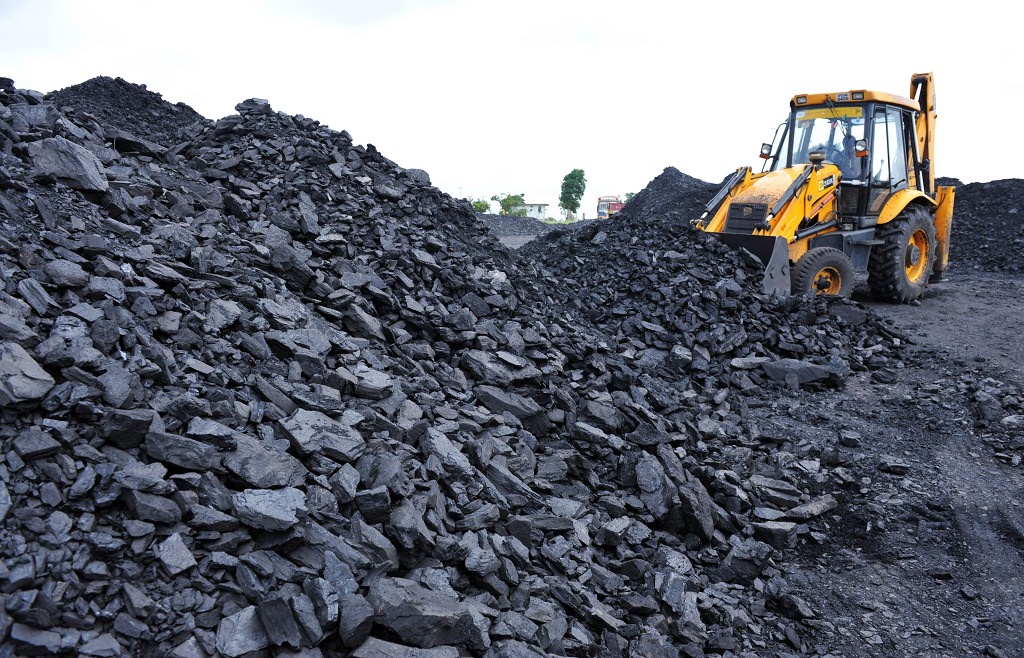
NEW DELHI: India said on Thursday it needs $330 billion in investments over the next decade to power its renewable energy dream, but coal would remain central to its electricity generation.
The energy guzzling country wants to raise its renewable energy capacity to 500 Gigawatts (GW), or 40% of total capacity, by 2030. Renewables currently account for 22% of India's total installed capacity of about 357 GW.
"Additional investments in renewable plants up to year 2022 would be about $80 billion at today's prices and an investment of around $250 billion would be required for the period 2023-2030," according to the government's economic survey presented to parliament on Thursday.
India wants to have 175 GW of renewable-based installed power capacity by 2022.
The investment estimate reflects the magnitude of financial challenges facing one of the world's most important growth markets for renewable energy, with government data indicating a growth slowdown in private and capital investments in the year ended March 2019.
India, which receives twice as much sunshine as European countries, wants to make solar a cornerstone of its renewable expansion, but also wants to make use of its cheap and abundant coal reserves, the fifth-largest in the world.
The annual economic survey warned India against abruptly halting coal-based utilities, citing risks to its banking sector and the stability of the electricity grid.
"It may not be advisable to effect a sudden abandonment of coal based power plants without complete utilisation of their useful lifetimes as it would lead to stranding of assets that can have further adverse impact on the banking sector," the survey said.
Thermal power plants account for 80% of all industrial emissions of particulate matter, sulphur and nitrous oxides in India. https://reut.rs/2Jb9whK
India, one of the world's largest coal producers and greenhouse gas emitters, estimates coal to be its energy mainstay for at least the next three decades. https://reut.rs/2LCxOTa
The country's coal use rose 9.1% to nearly a billion tonnes in 2018-19.
The survey said it would be difficult for a growing economy like India to migrate to renewable power supply unless "sufficient technological breakthrough in energy storage happens in the near future".
Environmentalists worry that India's rising use of coal at a time when many Western nations are rejecting the dirty fossil fuel will hamper the global fight against climate change, despite the country's commitment to renewable energy.




















Comments
Comments are closed for this article.