


Greek debt swap could be short-lived reprieve

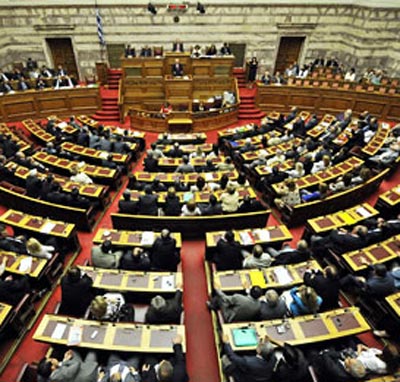 ATHENS: Greece's deep recession and unpredictable elections threaten to turn the biggest debt restructuring in history into yet another short-lived reprieve, although the existential threat posed to the euro zone is not what it was.
Last week's deal, under which private creditors agreed to lose most of their investments in Greek government bonds, should allow euro zone finance ministers meeting on Monday to declare they will pay their part of a 130 billion euros bailout, Greece's second in two years. The International Monetary Fund will finalise its contribution later in the week.
The private sector debt swap lopped about 100 billion euros off Greece's gargantuan debts but still leaves Athens as the euro zone's most indebted country and does not preclude a messier default or even a euro exit further down the line.
Greece's euro zone partners, exasperated by many broken promises, could be tempted to pull the aid plug if the winner of elections pencilled in for late April or early May fails to reverse a poor track record on delivering reform.
At the same time, a population angry with a prolonged recession could eventually push for another cure altogether if record-high unemployment keeps increasing and EU and IMF lenders ask for even more sacrifices.
"The debt swap deal does not solve the problems of Greece at all," said Holger Schmieding, chief economist at Berenberg Bank. "Of course, without it, Greece would be in huge trouble. But Greece's problem is that it has to return to growth. Otherwise, no debt burden is sustainable."
Greece's economy is estimated to have shrunk by about 15 percent since 2008, when it plunged into its deepest post-war recession, dragged down by tax hikes and wage and investment cuts meant to put public finances back on track. More than one in ten jobs has been destroyed leaving over half of young people unemployed.
Copyright Reuters, 2012


















Comments
Comments are closed for this article.