


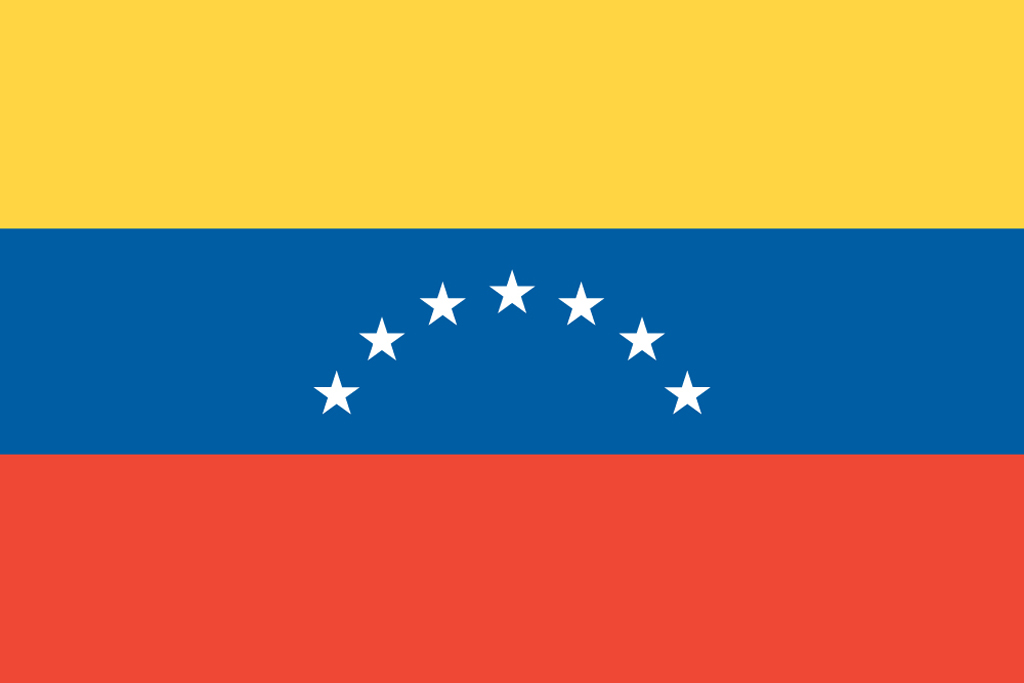
 CARACAS: Several cities in Venezuela, including most of capital Caracas, recovered electricity gradually on Thursday, according to Reuters witnesses, after the second blackout in less than a month left the oil-rich country without power for days.
President Nicolas Maduro on Wednesday night blamed the outage, which began on Monday afternoon, on a "terrorist attack" on the Guri hydroelectric facility that provides electricity to most of the country, and announced a plan of "load management" for the coming days, without providing details.
Generally, load management refers to the process of balancing the supply of electricity on a network with the electrical load.
But local electricity experts consulted by Reuters, as well as government critics allied with opposition leader Juan Guaido, said the outages this month were due to years of underinvestment and lack of maintenance as Venezuela's economy spiraled into a hyperinflationary collapse.
"I do not think there has been any sabotage," said Yolimar Arellano, a 43-year-old office worker in Caracas, who said he had electricity at his home, but still no water. He took three buses to get to his job because the subway was not working.
"They have spent years stealing money and not giving maintenance."
The blackout came less than two weeks after electricity returned to most of the country following an outage that began on March 7 and lasted as long as six days in some cities. The blackout was the longest and most widespread incident of its kind in a country that has grown accustomed to unreliable public services.
After blaming a "cyberattack" by the United States for the first outage, Maduro on Wednesday said this week's blackout was caused by a gunman linked to the "perverse, diabolical right-wing" who fired on Guri.
Guaido, the leader of the opposition-controlled national assembly, has challenged Maduro and his socialist party for power. He invoked the country's constitution to assume the interim presidency in January, arguing Maduro's May 2018 re-election was illegitimate.
Most South American and Western nations have recognized Guaido as Venezuela's rightful leader, while Maduro argues Guaido is a puppet of the United States attempting to oust him in a coup.
Since the outage hit on Monday, three people died in public hospitals due to a lack of electricity, according to Julio Castro, a doctor and member of the "Doctors for Health" nongovernmental organization.
The blackout also halted operations at the Jose terminal, the main port for oil exports, and the country's four crude upgraders. Venezuela's oil industry is the lifeblood of its economy.





















Comments
Comments are closed for this article.